

What Are Peptides? Anti-Aging Benefits and OEM Formulation Strategies Explained
What Are Peptides?
This section covers:
・ Amino Acid Chains
・ Difference Between Peptides and Proteins
・ Why Peptides Are Used in Cosmetics
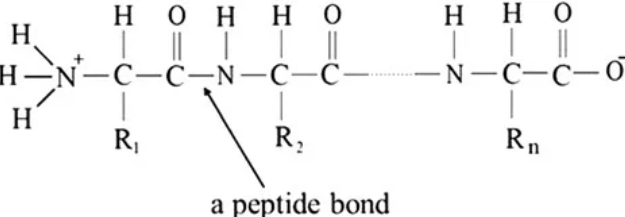
Peptides are compounds made by linking multiple amino acids together.
Typically, short chains of amino acids are classified as peptides, while longer chains are considered proteins.
From a formulation perspective, molecular size is critical.
Smaller peptides tend to have better skin compatibility and are easier to formulate into cosmetic products.
However, functionality is not determined by size alone.
The sequence design of amino acids plays a crucial role in delivering specific biological signals, which directly impacts product performance.
Peptides vs Retinol
Both peptides and retinol are essential ingredients in anti-aging skincare, but their design philosophy differs significantly.
Immediate Effect vs Long-Term Care
Retinol is known for relatively fast visible results.
In contrast, peptides work more gradually and support skin improvement over time.
Irritation Level
Retinol may cause irritation such as redness or dryness.
Peptides are generally milder and suitable for a wider range of users, including sensitive skin.
Compatibility in Formulation
While peptides and retinol can be used together, formulation becomes more complex.
Retinol requires careful handling due to stability issues, including packaging and storage conditions.

OEM Formulation Considerations
When developing peptide-based products, the following factors are critical:
・Optimal Concentration
Higher concentration does not always mean better results.
Each peptide raw material has a recommended usage level, and exceeding this does not necessarily improve efficacy.
Stability (Degradation Risk)
Peptides are prone to degradation, especially in water-based formulations.
Proper preservation systems and packaging design are essential.
Compatibility with Other Ingredients
Peptides are generally compatible with niacinamide.
However, combining them with low-pH vitamin C requires careful formulation.
Cost-Performance Balance
Peptides are relatively expensive raw materials, and formulation decisions directly affect product pricing and positioning.

Global Market Perspective
Peptides are highly valued in international markets:
United States Market
Popular in premium anti-aging products, especially in high-end skincare.
EU Regulatory Perspective
Generally compliant and easier to formulate compared to retinol.
Clean Beauty Trend
Strong alignment with clean beauty due to low irritation and flexibility.
In fact, inquiries such as
Does your product contain peptides?”
are increasing from overseas buyers.
Conclusion
Peptides are powerful yet gentle ingredients that offer flexibility in formulation and strong market appeal.
However, success in OEM development requires:
・Proper formulation design
・Stability management
・Packaging optimization
・Market-oriented strategy
Ultimately, the key is not just adding ingredients, but creating a product that sells.
If you are looking to launch your own cosmetic brand starting from small production volumes,
👉 Cosmetic OEM – Small Lot Production Available from 100 Units
https://ai-cosmetic.co.jp/cosmetics-oem-small-lot/
External References
- Ministry of Health, Labour and Welfare (Japan)
https://www.mhlw.go.jp/




コメント