

APPS (Sodium Ascorbyl Phosphate-3 Palmitate) is an advanced vitamin C derivative known for its unique balance of penetration, stability, and formulation flexibility.
Unlike pure vitamin C, which is highly unstable and prone to oxidation, APPS has been modified to improve both skin compatibility and product stability, making it a popular choice in modern skincare formulations.
APPS is particularly suitable for individuals who:
- Want to maximize the benefits of vitamin C efficiently
- Prefer low-irritation skincare
- Seek a balance between performance and daily usability
In cosmetic development, APPS is widely used in serums and lotions, especially in products targeting pores, dullness, and sebum imbalance.

Benefits of APPS for Skin
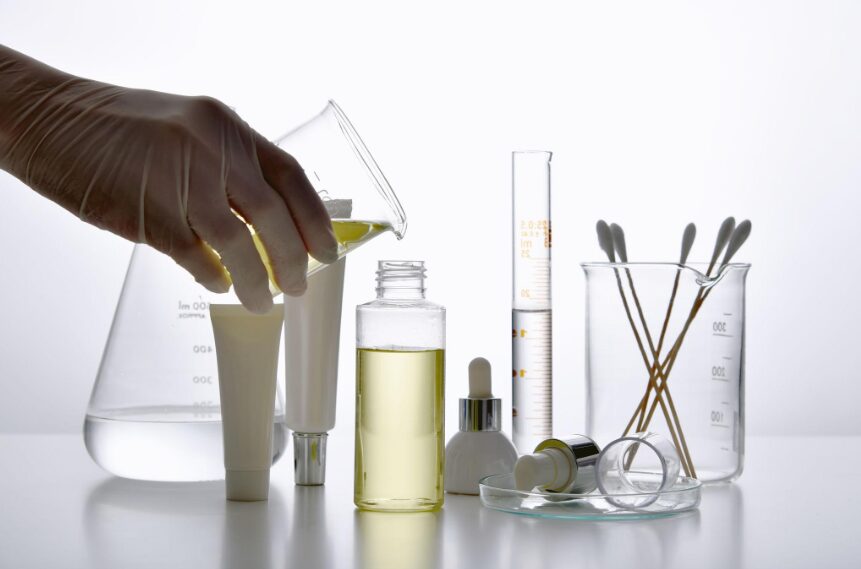
APPS provides a wide range of skincare benefits thanks to its antioxidant properties and balanced molecular structure.
It is commonly used to address:
- Uneven skin tone and dullness
- Enlarged pores and oxidation
- Excess oil and acne-prone conditions
Unlike fast-acting ingredients, APPS works best with consistent use and well-designed formulations.
Brightening Effect and Melanin Control
APPS helps improve skin clarity by influencing the melanin production process.
Vitamin C derivatives are known to:
- Suppress tyrosinase activity
- Reduce oxidative stress
In professional formulations, APPS is often combined with ingredients such as:
- Niacinamide
- Tranexamic acid
This multi-layered approach enhances brightening effects while maintaining stability and minimizing irritation.
Pore Care and Sebum Oxidation Control
Pore visibility is strongly linked to sebum oxidation and excess oil production.
APPS contributes to pore care by:
- Reducing oxidation of sebum
- Supporting balanced oil levels
In formulation practice, APPS is often combined with:
- Mild exfoliating ingredients
- Hydrating agents
This helps maintain a balance between skin renewal and moisture retention, which is essential for long-term pore improvement.
Acne Prevention and Oil Balance
Acne development involves multiple factors, including:
- Excess sebum
- Clogged pores
- Inflammation
APPS helps regulate the skin environment through:
- Antioxidant activity
- Oil balance control
In OEM product development, acne care formulations prioritize:
- Hydration balance
- Gentle anti-inflammatory support
Overly aggressive oil control is avoided, as it can lead to further skin imbalance.
How to Choose APPS Skincare Products
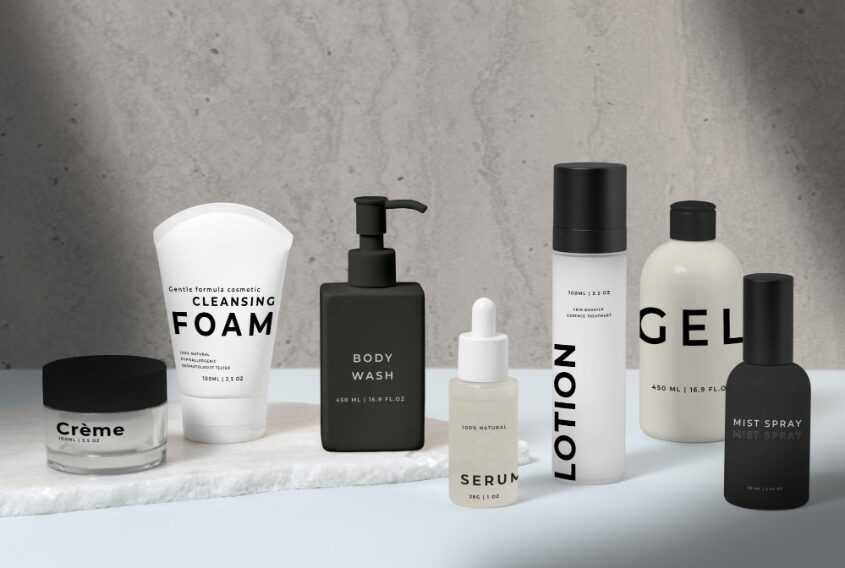
Selecting the right APPS product requires more than checking the ingredient list.
Key considerations include:
- Concentration
- Overall formulation
- Intended usage
How to Choose APPS Serums
When selecting an APPS serum, focus on:
- Balanced concentration (not simply high levels)
- Stability and skin compatibility
For example:
- Pore care → lightweight, oil-balancing formulas
- Brightening → hydration-enhanced formulations
In OEM design, combining APPS with:
- Hyaluronic acid
- Niacinamide
significantly improves product performance and user experience.

How to Choose APPS Lotions
APPS lotions emphasize balance and compatibility within a skincare routine.
Since lotions are typically used early in routines:
- Low irritation is essential
- Layering compatibility is important
Formulation types include:
- Lightweight booster-type lotions
- Functional, moisture-rich formulations
Consistency in daily use is a key factor for effectiveness.

Importance of Ingredient Combinations
APPS works best when supported by complementary ingredients.
Examples:
- Hydration → Hyaluronic acid, ceramides
- Oil balance → Niacinamide, amino acids
In OEM development, these combinations are crucial for product differentiation and performance optimization.
Choosing Based on Skin Concerns
Different skin concerns require different formulation approaches:
- Pores → lightweight formulas with oil and exfoliation balance
- Brightening → low-irritation, hydration-focused formulas
- Acne → moisture balance rather than aggressive oil suppression
Understanding your skin goals helps maximize the effectiveness of APPS-based products.
APPS vs Other Vitamin C Derivatives
To fully understand APPS, it is important to compare it with other forms of vitamin C.
APPS vs Pure Vitamin C (L-Ascorbic Acid)
Pure vitamin C:
- High efficacy
- Highly unstable
- Can cause irritation
APPS:
- More stable
- Easier to formulate
- Suitable for daily use
In OEM development:
- Pure vitamin C offers strong differentiation but requires complex stabilization
- APPS provides a more practical and scalable solution
APPS vs VC-IP (Oil-Soluble Vitamin C)
VC-IP:
- Oil-soluble
- Very gentle
- Suitable for creams and oils
APPS:
- Compatible with both water and oil systems
- More versatile in formulation
This makes APPS ideal for:
- Serums
- Lotions
Overall Positioning of APPS
APPS is considered a balanced and versatile vitamin C derivative.
| Ingredient | Strength | Limitation |
|---|---|---|
| Pure Vitamin C | High efficacy | Unstable, irritating |
| APPS | Balanced, penetrative | Higher cost |
| VC-IP | Gentle, oil-based | Limited to oil-based formulas |
Rather than asking which is “best,” it is more practical to choose based on specific formulation goals.
Precautions and Side Effects of APPS
Although APPS is relatively gentle, proper use is still important.
Can APPS Cause Irritation?
APPS may cause:
- Mild dryness
- Slight irritation depending on skin condition
This is more likely when:
- The skin barrier is weakened
- High concentrations are used
Starting with lower concentrations is recommended.
Causes of Skin Reactions with Vitamin C Derivatives
Skin reactions are typically caused by:
- High concentration levels
- Combination with strong active ingredients
- Environmental factors
Both formulation and usage conditions must be considered.
Safe Usage Tips and Best Practices
To use APPS safely:
- Combine with moisturizing ingredients
- Use sunscreen during the day
In professional formulations, APPS is designed to work as part of a complete skincare routine, not as a standalone solution.
APPS Formulation and OEM Development Insights
APPS requires thoughtful formulation to achieve optimal results.
Key Formulation Factors
Important elements include:
- Concentration
- pH balance
- Stability
Higher concentration increases effectiveness but also raises the risk of instability and irritation.

Compatible Ingredients
APPS pairs well with:
- Niacinamide (brightening synergy)
- Hyaluronic acid (hydration support)
A multi-ingredient approach improves both:
- Functionality
- User experience
Cost, MOQ, and Production Timeline
APPS is a premium ingredient, which impacts:
- Raw material cost
- Product pricing
Small production runs (100–300 units):
- Higher cost per unit
Typical development timeline:
- Several months including testing and validation
Balancing cost, quality, and timeline is critical.
Considerations for International Markets
When exporting APPS products:
- Regulatory compliance must be checked
- Labeling and claims must be adjusted
Examples:
- EU → strict documentation requirements
- US → strict claim wording regulations
OEM development should consider the target market from the beginning.
Conclusion: How to Use and Develop with APPS
APPS is a well-balanced vitamin C derivative offering:
- Stability
- Penetration
- Versatility
It is suitable for:
- Brightening
- Pore care
- Sebum control
However, its effectiveness depends on:
- Formulation design
- Ingredient combinations
- Proper usage
Whether selecting skincare or developing products, understanding APPS leads to better results and more effective product design.
(External Links)
- Ministry of Health, Labour and Welfare
https://www.mhlw.go.jp/
- Pharmaceuticals and Medical Devices Agency
https://www.pmda.go.jp/
- CosIng Database
https://ec.europa.eu/growth/tools-databases/cosing/




コメント