

Introduction
Azelaic acid and niacinamide are two of the most talked-about skincare ingredients today. They are widely recognized for addressing concerns such as excess oil, visible pores, redness, and uneven skin condition. Because of this, many people wonder:
- Can azelaic acid and niacinamide be used together?
- Which one should be applied first?
- Can they be combined with retinol or vitamin C?
However, compatibility between ingredients should not be judged only by their names.
In real skincare formulation and daily use, factors such as concentration, formulation type, timing, and moisturizing balance significantly affect usability and skin comfort.
From a cosmetic OEM perspective, product design is never based on ingredient popularity alone. It requires consideration of target skin type, ease of daily use, and regulatory compliance for each market.
In this article, we will explain:
- Whether azelaic acid and niacinamide can be used together
- The correct order of application
- Expected benefits
- Important precautions
- Skin-type-specific usage
- Compatibility with retinol and vitamin C


Can Azelaic Acid and Niacinamide Be Used Together?
They Are Generally Considered Compatible
Azelaic acid and niacinamide are often considered a compatible combination in skincare formulation. This is because their roles do not completely overlap, allowing for a broader approach to skin concerns.
For example, niacinamide is commonly used to support oil balance and overall skin condition, while azelaic acid is often included in formulations designed for uneven skin tone and skin discomfort.
In OEM product development, combining these ingredients is not unusual. However, the key point is not simply whether they can be used together, but how they are formulated and used.
A common mistake is focusing only on high concentrations. Without proper moisturizing design, this can lead to irritation or discomfort during initial use.
Why People Want to Use Them Together
Most users do not have only one skin concern. It is very common to experience:
- Oiliness and dryness at the same time
- Visible pores along with redness
- Skin imbalance and sensitivity
Because of this, combining ingredients with different roles becomes appealing.
In international OEM projects, especially for overseas markets, clients often request formulations that address oily skin while still being suitable for sensitive skin. This requires careful balance in formulation, texture, and packaging.
Products that simply combine trending ingredients without thoughtful design often fail to deliver long-term satisfaction.

Which Comes First? Understanding the Order
Follow Texture, Not Just Ingredient Names
The order of application should not be decided by ingredient name alone. Instead, it depends on:
- Product type (toner, serum, cream)
- Texture and viscosity
- Concentration
The basic rule of skincare applies:
Use lighter textures first, then heavier ones.
For example:
- Niacinamide toner → Azelaic acid serum
This is a common and practical approach.
Using heavier products first can cause poor absorption and a sticky feeling.
Order Changes Depending on Product Type
If niacinamide is in a toner and azelaic acid is in a cream, naturally the toner is applied first.
However, if azelaic acid is in a lightweight gel and niacinamide is in a cream, the order may reverse.
In OEM design, clearly guiding users on application order reduces confusion and improves product satisfaction.
Morning vs Night Routine
Separating usage between morning and night is a practical approach.
Morning:
- Focus on lightweight, easy-to-use formulations
- Niacinamide-based products are commonly used
Night:
- Incorporate azelaic acid with moisturizing support
Trying to use too many active ingredients at once—such as adding retinol and vitamin C simultaneously—can make it difficult to identify the cause of irritation.
Successful formulations simplify routines instead of complicating them.

Benefits of Combining Azelaic Acid and Niacinamide
Supporting Oil Balance
This combination is often suitable for those concerned about oil imbalance.
A common design approach:
- Hydrating niacinamide product
- Followed by azelaic acid serum
However, focusing too much on oil control without moisturizing support can lead to dryness.
Addressing Pores and Skin Concerns
Many users are concerned about multiple issues at once, such as:
- Visible pores
- Uneven skin texture
- Skin discomfort
Combining ingredients allows for a more flexible formulation approach.
In OEM projects, this is often applied in gel serums or lightweight creams targeting both younger and mature users.
Suitable for Sensitive Skin Considerations
For users with sensitive tendencies, the goal is often to maintain balance without overloading the skin.
In practice:
- Avoid overly high concentrations
- Combine with moisturizing ingredients
- Keep formulations simple
Adding too many active ingredients can increase the risk of irritation.

Precautions When Using Them Together
Adjust Frequency if Irritation Occurs
If redness or discomfort appears, it is important to adjust usage frequency instead of immediately discontinuing.
For example:
- Use only at night
- Use every other day
Combining too many active ingredients at once can make it difficult to identify the cause of irritation.
Moisturizing Is Essential
Proper moisturizing design is critical.
Without it:
- Skin may feel tight
- Long-term use becomes difficult
Combining with ceramides or moisturizing creams improves usability and comfort.
Avoid Starting with High Concentrations
Using high concentrations of both ingredients simultaneously is not always effective.
In OEM development, successful products prioritize usability over concentration competition.
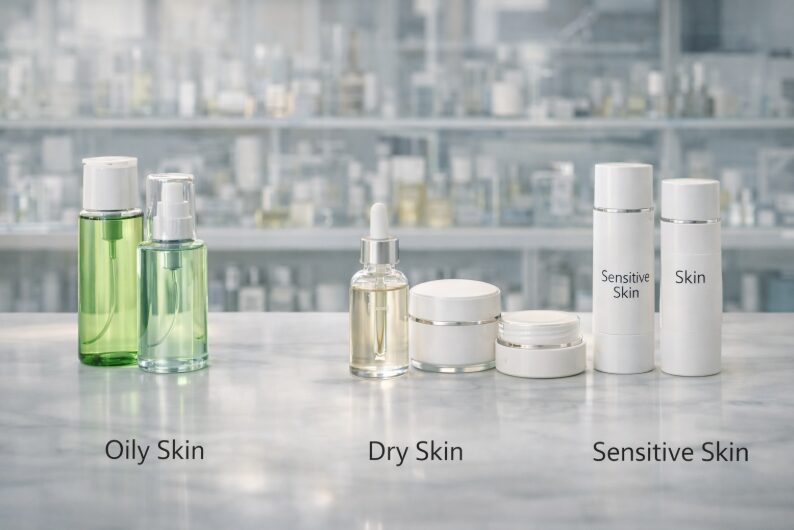
How to Use Based on Skin Type
Oily Skin
- Use lightweight textures such as gels or serums
- Avoid overly heavy creams
- Maintain minimal moisturizing balance
Dry Skin
- Focus on hydration first
- Add creams or emulsions
- Avoid overly light-only routines
Sensitive Skin
- Start with low frequency
- Introduce gradually
- Avoid combining too many active ingredients
Can You Use Them with Retinol or Vitamin C?
Retinol Combination
Using retinol together requires caution.
Instead of layering everything at once:
- Alternate usage days
- Simplify routines
Vitamin C Combination
Vitamin C can be combined, but timing is important.
Example:
- Morning: Vitamin C
- Night: Azelaic acid + Niacinamide
Avoid Overlapping Irritation
Using too many active ingredients at once increases the risk of discomfort.
In OEM design, simplicity often leads to better long-term results.
How to Choose Products with These Ingredients
Choose Usable Formulations
Even if ingredients are attractive, poor texture or irritation reduces usability.
- Oily skin → Lightweight
- Dry skin → Richer textures
Match Your Skin Concerns
Identify your priority:
- Oil control
- Pores
- Redness
- Sensitivity
OEM product success depends on clear targeting.

OEM Perspective: What Really Matters
In cosmetic manufacturing, success is not determined by ingredient trends alone.
Important factors include:
- Skin type targeting
- Ease of daily use
- Regulatory compliance
- Market positioning
Products designed with real-world usability in mind achieve better repeat rates.
Conclusion
Azelaic acid and niacinamide can generally be used together, but their effectiveness depends on:
- Application order
- Frequency
- Concentration
- Moisturizing design
When combined with other ingredients like retinol or vitamin C, careful adjustment is necessary.
From an OEM perspective, successful products are those that balance performance, safety, and usability—rather than simply combining popular ingredients.

For OEM Development
If you are considering launching your own skincare brand:
👉 Small-lot cosmetic OEM available from 100 units
https://ai-cosmetic.co.jp/cosmetics-oem-small-lot/
👉 OEM / ODM manufacturing
https://ai-cosmetic.co.jp/oemodm/
References
- Ministry of Health, Labour and Welfare
https://www.mhlw.go.jp/ - PMDA
https://www.pmda.go.jp/ - CosIng Database
https://ec.europa.eu/growth/tools-databases/cosing/ - Japan Cosmetic Industry Association
https://www.jcia.org/




コメント