

Is It True That Vitamin C Is Weak Against Heat?
Vitamin C is often said to be “destroyed by heat,” but this is not completely accurate.
In reality, vitamin C does not disappear entirely when heated. It gradually decreases depending on cooking temperature, time, water exposure, and oxidation.
The important point is not that vitamin C is completely “destroyed,” but that it is “reduced.”
By understanding this difference, you can cook vegetables more effectively without worrying too much.
Vitamin C Does Not Become Zero After Heating
Vitamin C may decrease during cooking, but it does not become zero.
For example, when vegetables are cooked for a short time, a certain amount of vitamin C still remains.
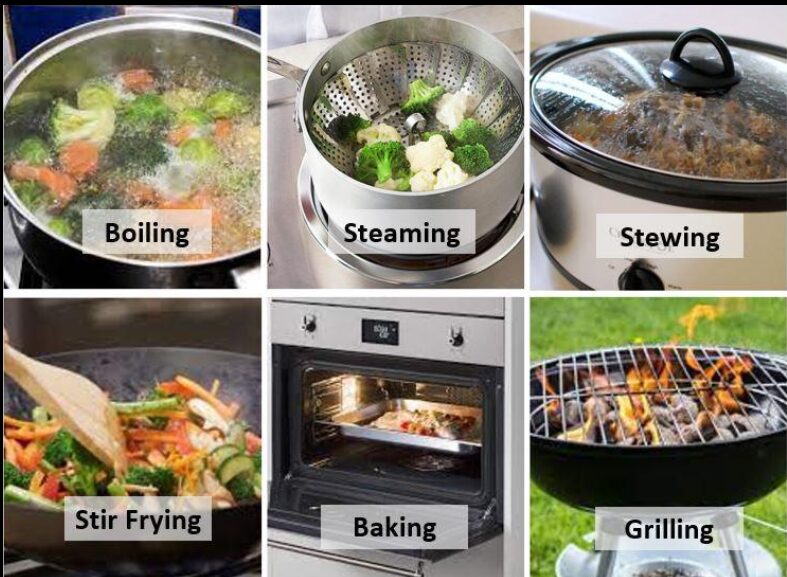
Stir-frying, steaming, and microwave cooking can help retain more vitamin C compared with long boiling. Therefore, heated vegetables are still meaningful as part of a healthy diet.
“Reduced” Is More Accurate Than “Destroyed”
Many people say vitamin C is “destroyed,” but the more accurate expression is that it gradually decreases.
Long cooking times, exposure to water, and oxidation can all reduce vitamin C content.
However, short cooking times usually do not cause a dramatic loss.
In daily life, the realistic goal is not to protect vitamin C perfectly, but to avoid losing too much of it.
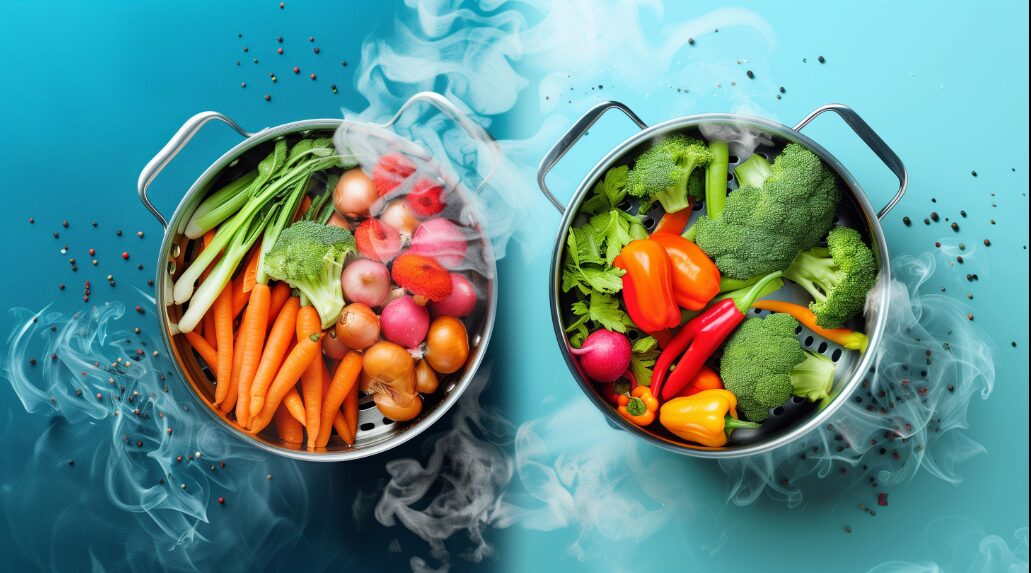
Cooking Method Makes a Big Difference
Vitamin C is water-soluble, which means it can dissolve into cooking water.
For this reason, boiling can lead to greater loss because vitamin C moves into the water.
On the other hand, steaming and microwave cooking use less water and shorter cooking times, making them better methods for retaining vitamin C.

Why Is Vitamin C Said to Be Weak Against Heat?
Vitamin C is sensitive to heat, but heat is not the only factor.
Water exposure and oxidation are also major reasons why vitamin C decreases during cooking.
Vitamin C Is a Water-Soluble Vitamin
Vitamin C dissolves easily in water.
When vegetables are boiled, vitamin C can move into the cooking liquid.
This is one reason people mistakenly believe that heat alone destroys vitamin C.
If the cooking liquid is consumed as soup, some of the lost vitamin C can still be taken in.
Water Loss Can Matter More Than Heat
When vegetables are heated, their cells soften and nutrients can leak out more easily.
This is especially true during long boiling.
Cooking methods that use little or no water, such as steaming, stir-frying, or microwaving, can help reduce this loss.
A Simplified Nutrition Message Became a Misunderstanding
The phrase “vitamin C is weak against heat” became common as a simple nutrition rule.
However, it is often misunderstood as “all vitamin C disappears when heated.”
The correct understanding is that vitamin C decreases depending on the cooking conditions.
At What Temperature Does Vitamin C Start to Break Down?
Vitamin C gradually breaks down as temperature and heating time increase.
It does not disappear instantly at a specific temperature.
Vitamin C May Start to Decrease Around 60–70°C
Vitamin C is generally considered to become less stable around 60–70°C.
However, this does not mean it is suddenly destroyed.
The longer the heating time, the greater the loss.
Therefore, both temperature and time should be considered together.
Cooking Time Has a Strong Effect
Long cooking times can increase vitamin C loss because heat, water exposure, and oxidation occur together.
For daily cooking, “short-time heating” is a practical strategy.
Quick stir-frying or microwave cooking can help retain more vitamin C than long simmering.
Research Shows Vitamin C Decreases Gradually
Studies have shown that vitamin C decreases gradually during cooking.
Water-based cooking, especially boiling, can cause both heat breakdown and nutrient leakage.
This supports the idea that “heating equals complete loss” is incorrect.
Can You Still Get Vitamin C From Heated Foods?
Yes, you can still get vitamin C from cooked foods.
The remaining amount depends on the food type and cooking method.
Vitamin C Remains After Cooking
Even after heating, a certain amount of vitamin C remains.
Lightly cooked vegetables can still provide nutritional value.
In some cases, cooking makes vegetables easier to eat, which may increase total intake.
Retention Varies by Food
Vitamin C retention differs depending on the food.
Leafy vegetables may lose more because they contain more water and have a larger surface area.
Root vegetables may retain vitamin C more easily.
Cutting vegetables into smaller pieces can also increase nutrient loss.
How to Take Vitamin C Efficiently
The key is to avoid excessive loss.
Short cooking times, less water, and eating a mix of raw and cooked vegetables are practical strategies.
You do not need to aim for perfection.
Choosing a realistic method that you can continue is more important.
Oxidation Is Another Reason Vitamin C Decreases
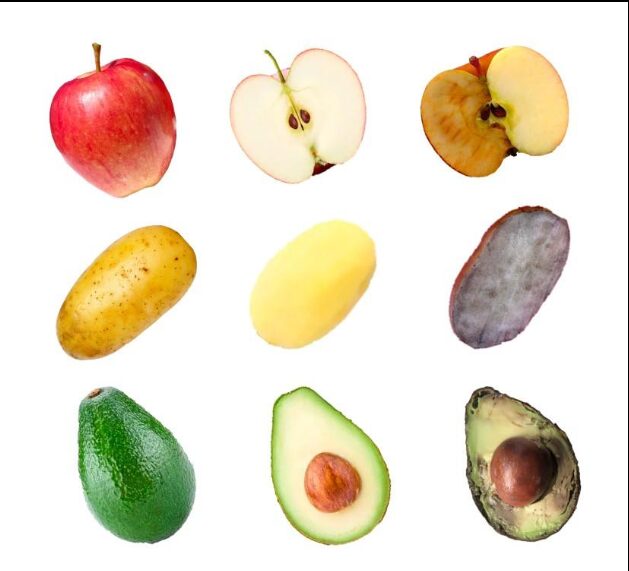
Vitamin C is affected not only by heat but also by oxygen.
In some cases, oxidation can be just as important as heat.
Vitamin C Breaks Down When Exposed to Air
Vitamin C reacts with oxygen in the air.
For example, cut vegetables left for a long time may lose vitamin C even before cooking.
This means that heat is not the only cause of vitamin C loss.
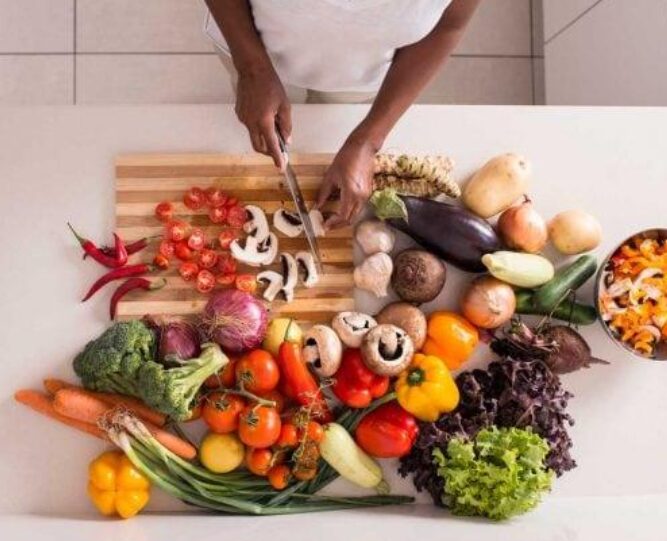
Cutting and Chopping Can Increase Loss
The smaller you cut vegetables, the larger the surface area becomes.
This increases exposure to oxygen and water.
To reduce loss, cut vegetables just before cooking and avoid cutting them too finely.
Storage Conditions Also Matter
Vitamin C decreases over time, even in the refrigerator.
Using fresh ingredients and cooking them as soon as possible can help preserve more nutrients.
Which Cooking Methods Preserve Vitamin C Best?
Cooking method has a major effect on vitamin C retention.
Boiling Causes the Greatest Loss
Boiling often causes the greatest loss because vitamin C dissolves into the water.
However, if you eat the cooking liquid as soup, you can still take in some of the vitamin C.
Steaming Helps Preserve Nutrients
Steaming uses less water, so vitamin C is less likely to leak out.
This makes steaming a good cooking method for preserving nutrients.
Microwave Cooking Can Be Efficient
Microwave cooking is often efficient because it uses little water and short heating time.
This can help reduce vitamin C loss.
Why Stability Matters for Vitamin C in Skincare
Vitamin C is important not only in food but also in skincare.
However, the concept of stability is different in cosmetics.
Vitamin C in Cosmetics Oxidizes Easily
Vitamin C can oxidize when exposed to air, light, and heat.
Once oxidized, its effectiveness may decrease.
This is why packaging and storage conditions are important for vitamin C skincare products.
Food and Cosmetics Require Different Stability
In food, vitamin C is consumed and used inside the body.
In cosmetics, vitamin C must remain stable until it is applied to the skin.
This makes formulation design very important.
Vitamin C Derivatives Improve Stability
For this reason, many skincare products use vitamin C derivatives.
These ingredients are designed to improve stability and usability in cosmetic formulas.
Practical Tips to Preserve Vitamin C During Cooking
Vitamin C does not need to be protected perfectly.
The goal is to reduce unnecessary loss.
Cook for a Short Time
Short cooking time helps preserve vitamin C.
Quick stir-frying, steaming, or microwaving can be useful.
Eat the Cooking Liquid
Because vitamin C dissolves in water, soups and stews can help you consume the nutrients that moved into the liquid.
Cut Ingredients as Little as Possible
Cutting ingredients too small increases oxidation and nutrient loss.
Cut vegetables just before cooking and keep the pieces reasonably large.
What Is the Best Way to Get Vitamin C?
The best approach is balance.
Combine Raw and Cooked Foods
Eating both raw and cooked vegetables is practical.
Raw vegetables may retain more vitamin C, while cooked vegetables are often easier to eat in larger amounts.
You Do Not Need to Eat Everything Raw
There is no need to avoid cooked vegetables.
Heating can improve texture and make vegetables easier to continue eating regularly.
Simple Daily Habits Are Enough
Short cooking, microwave use, steaming, and eating soups are easy ways to reduce vitamin C loss.
FAQ: Does Heating Make Vitamin C Meaningless?
Does Heating Make Vitamin C Useless?
No. Heated foods can still contain vitamin C.
The key is to understand that vitamin C decreases, but does not completely disappear.
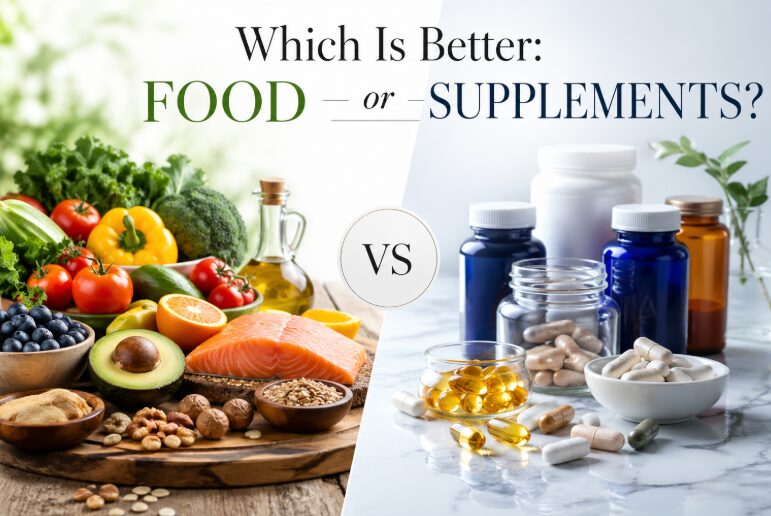
Which Is Better: Supplements or Food?
It depends on the purpose.
Food provides vitamin C along with other nutrients, while supplements can provide a stable amount.
A balanced approach is usually best,
Can Frozen Vegetables Provide Vitamin C?
Yes. Frozen vegetables can still provide vitamin C.
Quick freezing can help reduce nutrient loss during storage.
Why Worrying Too Much About Vitamin C Can Be Counterproductive
Focusing too much on one nutrient can make the overall diet unbalanced.
The Risk of Thinking “Heating Is Bad”
If you avoid all heated foods, your diet may become limited.
This can reduce overall nutritional balance.
A Balanced Diet Is Most Important
Vitamin C is important, but it is only one part of nutrition.
A balanced diet with grains, protein, fats, and vegetables is more important.
Choose a Method You Can Continue
The best method is one you can continue in daily life.
Microwave cooking, soups, and simple vegetable dishes are realistic options.
Summary: Vitamin C Is Not “Destroyed” by Heat, It “Decreases”
Vitamin C decreases when heated, but it does not completely disappear.
Cooking method, time, water exposure, oxidation, and storage all affect how much remains.
Rather than avoiding heated foods, it is better to choose practical cooking methods that reduce unnecessary loss.
For those who want to launch their own cosmetic brand from small lots, please see:
Cosmetic OEM Small Lot Production from 100 Units
https://ai-cosmetic.co.jp/cosmetics-oem-small-lot
External References:
Ministry of Health, Labour and Welfare
https://www.mhlw.go.jp
Standard Tables of Food Composition in Japan
https://www.mext.go.jp
NIH Vitamin C Fact Sheet
https://ods.od.nih.gov/factsheets/VitaminC-Consumer/






コメント