

Vitamin C is widely known as an effective ingredient for pore care. However, many people also say things like “It didn’t work,” “My pores got worse,” or “My pores became darker.” In reality, Vitamin C can be highly effective for pores, but the results depend heavily on the formulation, concentration, skin type, and how the product is used.
For example, using high-concentration Vitamin C products without proper moisturizing may lead to dryness and irritation, making pores appear more noticeable. This is one of the main reasons why some people mistakenly believe that Vitamin C does not work for pores.
In addition, blackhead pores, enlarged pores, and sagging pores all have different underlying causes. Because of this, the ideal Vitamin C approach varies depending on the pore type. Using the wrong product for the wrong condition may result in poor outcomes or the impression that the skin has worsened.
In actual cosmetic formulation development, selecting the right type of Vitamin C, adjusting concentration levels, balancing pH, and combining moisturizing ingredients are all critical factors. Simply adding “Vitamin C” to a product is not enough. Proper formulation design is essential.
In this article, we will explain why some people feel Vitamin C does not work, the reasons pores may appear worse temporarily, how Vitamin C works for different pore types, and how cosmetic OEM manufacturers design effective Vitamin C formulas for pore care.
H2: Why Do Some People Feel Vitamin C Makes Pores Worse?
Main Points Covered in This Section
- Why some users feel their pores worsened after using Vitamin C
- Why people say Vitamin C “doesn’t work” or “makes pores darker”
- The difference between people who see results and those who do not
Although Vitamin C is considered beneficial for pores, some people report negative experiences. In most cases, this is not because Vitamin C itself is harmful, but because of differences in skin condition, usage method, or product formulation.
Pore concerns are complex and often caused by multiple factors. Because of this, relying on a single ingredient alone has limitations.
H3: Why Some People Feel Their Pores Became Worse
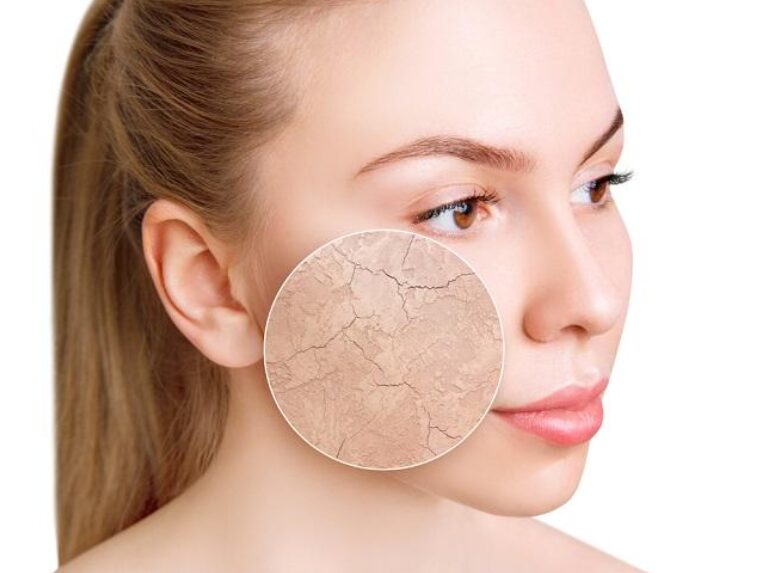
One major reason is dryness and irritation caused by weakened skin barrier function.
High-concentration Vitamin C products may temporarily reduce moisture retention in the skin barrier, making pores appear more visible.
In cosmetic OEM development, high-concentration formulas are usually balanced carefully with moisturizing ingredients such as glycerin or hyaluronic acid. However, when moisturizing is insufficient, the skin can become dehydrated and pores may look enlarged.
In many cases, the issue is not true worsening, but rather a mismatch between the product and the user’s skin condition.
H3: Why People Say Vitamin C “Doesn’t Work” or “Makes Pores Darker”
Different pore types respond differently to Vitamin C.
Blackheads are mainly caused by oxidized sebum, while sagging pores are more closely related to collagen loss and reduced skin elasticity. Because of this, results vary depending on the underlying cause.
For blackheads, Vitamin C’s antioxidant properties can be helpful. However, sagging pores generally require longer-term collagen support, so visible improvement may take more time.
Some users also feel their pores became darker. In many cases, this is due to oxidized sebum or keratin plugs becoming more visible temporarily, not because Vitamin C itself darkens the skin.
H3: Why Some People See Results and Others Do Not
Whether Vitamin C works depends mainly on three factors:
- The type of pores
- The skin condition
- The product formulation
For example, people with oily skin or mild enlarged pores often notice improvements more easily. On the other hand, severe sagging pores usually require additional anti-aging approaches.
The type of Vitamin C also matters. Pure ascorbic acid works quickly but may be irritating, while Vitamin C derivatives are more stable and gentler but often act more slowly.
Understanding these differences is essential for choosing the right product.

H2: Main Reasons Vitamin C May Seem to Worsen Pores
Main Points Covered in This Section
- Irritation and dryness caused by high concentrations
- Choosing the wrong Vitamin C derivative for your skin type
- Incorrect application methods
- Lack of moisturizing care
Most pore-related problems caused by Vitamin C are actually related to usage conditions rather than the ingredient itself.
H3: Irritation and Dryness from High-Concentration Vitamin C
High-concentration Vitamin C products may produce stronger results, but they also carry a greater risk of irritation and dryness.
When the skin barrier becomes dehydrated, pores can appear larger and more noticeable.
In professional formulation design, products containing more than 10% Vitamin C usually require careful balancing with moisturizing and oil-based ingredients.
For this reason, high-concentration products should be introduced gradually based on skin tolerance.
H3: Choosing the Wrong Vitamin C Derivative for Your Skin Type
There are many different Vitamin C derivatives, each with different characteristics.
Water-soluble derivatives are generally gentler but may produce slower visible effects. Oil-soluble or amphiphilic derivatives penetrate more effectively but may feel stronger on sensitive skin.
In OEM formulation development, derivatives are selected based on the target skin type. However, consumers often choose products without understanding these differences.
This mismatch may lead to irritation or disappointing results.
H3: Incorrect Application Methods
The effectiveness of Vitamin C also depends on how it is applied.
Generally, Vitamin C should be used on clean skin immediately after cleansing, followed by proper moisturizing care.
Applying heavy oil-based products beforehand may interfere with penetration. Excessive layering or overly frequent use can also increase skin stress.
Even in professional skincare testing, application order significantly affects performance.
H3: Lack of Moisturizing Care
One of the most overlooked issues during Vitamin C use is insufficient moisturizing.
Vitamin C can help control excess sebum, but if the skin becomes dehydrated, pores may appear more open and noticeable.
This is why professional formulations often combine Vitamin C with ceramides, hyaluronic acid, or other moisturizing ingredients.
Vitamin C and hydration should always be considered together.
H2: Why Pores May Appear Darker After Using Vitamin C
Main Points Covered in This Section
- The relationship between oxidized sebum and blackheads
- Changes caused by skin turnover
- Temporary reactions during early use
Some people feel their pores became darker after starting Vitamin C products. In most cases, this is not actual pigmentation caused by Vitamin C itself.
H3: Oxidized Sebum and Keratin Plugs
Blackheads are mainly caused by oxidized sebum mixed with dead skin cells.
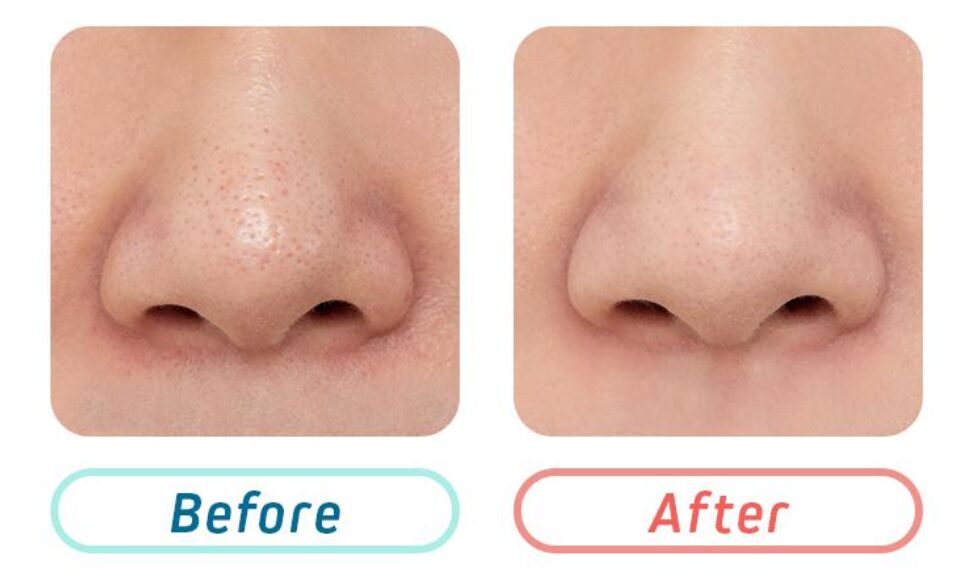
Although Vitamin C has antioxidant properties, existing blackheads are not removed immediately. As a result, pores may temporarily appear more noticeable during the early stages of use.
Professional pore-care formulations often combine Vitamin C with exfoliating or cleansing ingredients for better results.
H3: Skin Turnover and Temporary Visual Changes
Vitamin C may help normalize skin turnover, allowing old keratin buildup to gradually shed.
During this process, blackheads or clogged pores may temporarily become more visible before improving.
In actual product testing, visible changes are often unstable during the first several weeks.
Consistent observation over time is more important than judging results after only a few days.
H3: Temporary Reactions During Early Use
During the adjustment period, some users may experience dryness, mild irritation, or temporary changes in pore appearance.
In many cases, these reactions stabilize with continued use and proper hydration.
However, strong irritation or inflammation should not be ignored, and the product may need to be reconsidered.
H2: How Vitamin C Works for Pore Care
Main Points Covered in This Section
- Sebum control
- Collagen support for pore firmness
- Antioxidant effects against blackheads
Vitamin C works on pores through multiple mechanisms rather than a single action.
H3: Sebum Control
Vitamin C may help reduce excessive sebum production.
Too much sebum can enlarge pores and contribute to blackheads. By balancing oil production, pores may appear less noticeable.
However, excessive oil control without hydration may lead to dryness, so moisturizing ingredients are essential.
H3: Collagen Support and Skin Firmness
Enlarged and sagging pores are closely related to reduced skin elasticity.
Vitamin C supports collagen production, which may help maintain firmness and improve pore appearance over time.
However, these effects usually require long-term consistent use.
H3: Antioxidant Protection Against Blackheads
One of Vitamin C’s most well-known benefits is its antioxidant activity.
Because blackheads are largely caused by oxidized sebum, reducing oxidation may improve overall pore appearance.
Professional formulas often combine Vitamin C with Vitamin E or polyphenols to strengthen antioxidant performance.
Related Ingredients
- Ascorbic Acid
- 3-O-Ethyl Ascorbic Acid
- APPS (Sodium Ascorbyl Phosphate)
H2: Which Types of Pores Respond Well to Vitamin C?
Main Points Covered in This Section
- Why Vitamin C works well for blackheads
- Its limitations for enlarged pores
- Why sagging pores require additional care
- How to identify your pore type
Different pore types require different approaches.
H3: Why Vitamin C Works Well for Blackheads
Blackheads are caused by oxidized sebum and dead skin buildup.
Because Vitamin C helps reduce oxidation, it is often highly compatible with blackhead care.
However, existing blackheads are not removed instantly, so consistent cleansing and exfoliation are still necessary.
H3: Enlarged Pores and the Limits of Vitamin C
Vitamin C may help enlarged pores by controlling excess oil production.
However, if dehydration is the main cause, Vitamin C alone may not be sufficient.
Professional formulations for enlarged pores almost always include strong moisturizing support.
H3: Sagging Pores Require Additional Approaches
Sagging pores are mainly caused by aging-related collagen decline.
Although Vitamin C supports collagen production, dramatic changes are unlikely with Vitamin C alone.
Professional anti-aging formulas often combine Vitamin C with peptides, retinol, or intensive moisturizers.
H3: How to Identify Your Pore Type
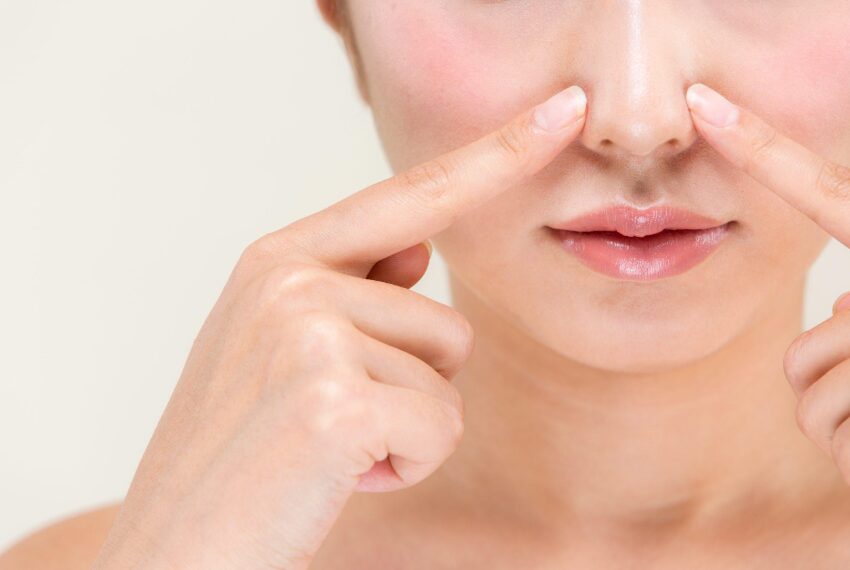
Blackheads usually appear as dark dots.
Enlarged pores tend to look round and open.
Sagging pores often appear elongated or oval-shaped.
Understanding your pore type is essential for choosing the right treatment approach.
H2: How to Choose the Right Vitamin C Serum for Pore Care
Main Points Covered in This Section
- Types of Vitamin C derivatives
- Concentration and irritation balance
- Importance of moisturizing ingredients
When choosing a Vitamin C serum, it is important to evaluate:
- Ingredient type
- Concentration
- Overall formulation balance
H3: Types of Vitamin C Derivatives
Different derivatives offer different levels of stability, penetration, and irritation potential.
Sensitive skin may benefit from gentler derivatives, while blackhead-focused care may benefit from more penetrating types.
H3: Balancing Concentration and Irritation
Higher concentration does not always mean better results.
Beginners are usually advised to start with low to medium concentrations and gradually increase based on skin response.
H3: Importance of Moisturizing Ingredients
Hydration is essential for maintaining stable pore care results.
Ingredients such as ceramides and hyaluronic acid are commonly combined with Vitamin C in professional formulations.
Choosing the overall formula is more important than focusing on Vitamin C alone.
H2: OEM Perspective — Designing Vitamin C Products for Pore Care
Main Points Covered in This Section
- Formulation design based on product purpose
- Balancing concentration, pH, and stability
- Realistic development conditions
Vitamin C formulations vary greatly depending on whether the goal is pore care, brightening, or acne support.
H3: Purpose-Based Formulation Design
Different concerns require different design priorities.
For pore care, oil control and antioxidant activity are emphasized.
For brightening, melanin suppression becomes more important.
For acne care, anti-inflammatory support is prioritized.
H3: Balancing Concentration, pH, and Stability
Vitamin C is naturally unstable, so packaging and pH control are extremely important.
Professional formulations often use airless or light-protective containers to maintain stability.
H3: Typical MOQ, Cost, and Development Timeline
Small-lot OEM production usually starts around 100–500 units.
Development typically takes approximately 1–3 months after formula confirmation.

H2: Conclusion — Vitamin C Can Be Effective for Pore Care When Used Correctly
Vitamin C can be highly effective for pore care, but the results depend on the pore type, formulation, and usage method.
It works especially well for blackheads and may help enlarged pores to some extent. However, sagging pores usually require additional anti-aging approaches.
Choosing the correct derivative, concentration, and moisturizing balance is essential for achieving good results.
If you are interested in launching your own skincare brand with small-lot cosmetic OEM production:
👉 “Small Lot Cosmetic OEM Manufacturing from 100 Units”
https://ai-cosmetic.co.jp/cosmetics-oem-small-lot/
American Academy of Dermatology
Cleveland Clinic
National Institutes of Health






コメント