

There are several skincare ingredients that can help improve the appearance of pores. However, the best ingredient depends on the type of pore concern you are dealing with.
Enlarged pores, blackhead-related pores, and sagging pores have different causes, so the same serum does not always deliver the same results for everyone.
In this article, we compare the top ingredients for pore care, including niacinamide, vitamin C, retinol, salicylic acid, and glyceryl glycine. We also explain how to choose the right ingredient for each pore type and add an OEM formulation perspective for those interested in developing effective pore care products.
Types of Pore Concerns and Their Causes
This section covers the following points:
- Causes of enlarged pores
- Causes of blackhead pores
- Causes of sagging pores
Pore concerns are often discussed as if they were all the same, but in reality, they are caused by different factors. If you choose the wrong ingredient, it becomes harder to see satisfying results. That is why it is important to understand the type of pore concern first and then choose ingredients accordingly.
Causes of Enlarged Pores
Enlarged pores are mainly caused by excess sebum production and dryness-related barrier weakness. When the skin produces too much oil, the pores can look stretched. At the same time, when the skin is dehydrated, it loses firmness and pores become more visible.
For this type of concern, ingredients that can support both oil balance and skin hydration are especially useful. Niacinamide is a good example because it helps regulate sebum while also supporting the skin barrier. The key is not simply to reduce oil, but to improve the overall skin condition.
Causes of Blackhead Pores
Blackhead pores occur when sebum and dead skin cells build up inside the pore and become oxidized. They are especially common around the nose and T-zone, where oil production tends to be higher.
In this case, both exfoliation and antioxidant support are important. Salicylic acid helps loosen pore-clogging buildup, while vitamin C helps reduce oxidative stress that can make blackheads look darker. A combination approach is often more effective than relying on only one ingredient.
Causes of Sagging Pores
Sagging pores are often linked to a loss of collagen caused by aging and UV exposure. As skin loses firmness and elasticity, pores can appear more elongated and noticeable.
For this type of pore concern, ingredients that support skin firmness are important. Retinol is one of the best-known choices because it promotes skin turnover and supports a firmer-looking appearance. Since retinol can be irritating, concentration and formulation design matter greatly.

Top 5 Ingredients for Pore Care
This section covers the following points:
- No.1 Niacinamide
- No.2 Vitamin C
- No.3 Retinol
- No.4 Salicylic Acid
- No.5 Glyceryl Glycine
There are many ingredients used in pore care, but these five stand out in terms of practicality, versatility, and overall balance. Their mechanisms and strengths differ, so this ranking is based mainly on ease of use and broad applicability.
1. Niacinamide
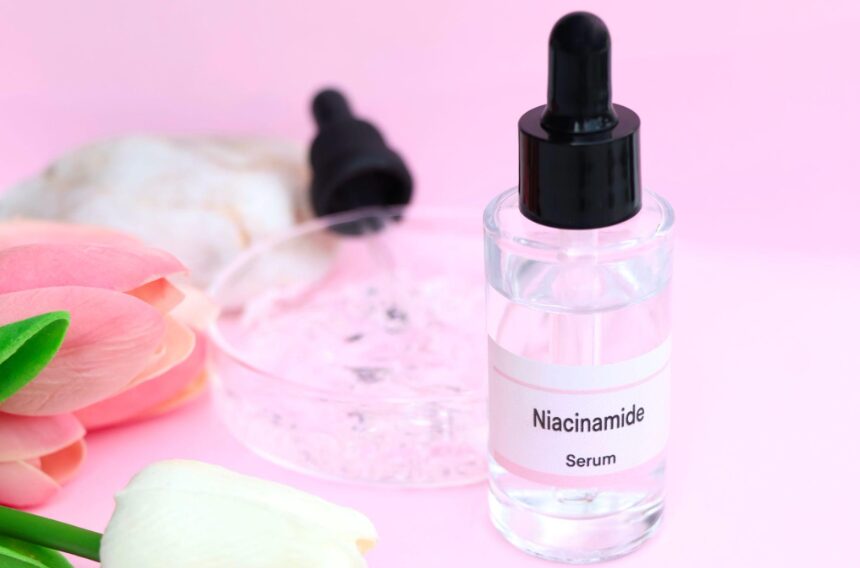
Niacinamide is a highly balanced ingredient because it can support oil control, skin barrier function, and firmness at the same time. It is generally easy to use, even for beginners.
Because it can work well for both enlarged pores and dryness-related pore concerns, it is often the best starting point. It is also widely used in OEM formulations because of its flexibility and compatibility with many product concepts.
2. Vitamin C
Vitamin C is especially useful for oily skin and blackhead-related pore concerns because of its antioxidant properties and oil-balancing benefits. In modern skincare, vitamin C derivatives are often used to improve formula stability.
However, the user experience and visible results can vary depending on the type of derivative used. This makes ingredient selection very important, especially when designing products with a light and elegant texture.
3. Retinol
Retinol is known for supporting skin turnover and firmness, which makes it highly relevant for sagging pores. It remains a key ingredient in anti-aging skincare.
At the same time, retinol requires careful concentration design and usage instructions because it can be irritating. In formulation work, stabilization technology and supportive ingredients play a major role.
4. Salicylic Acid
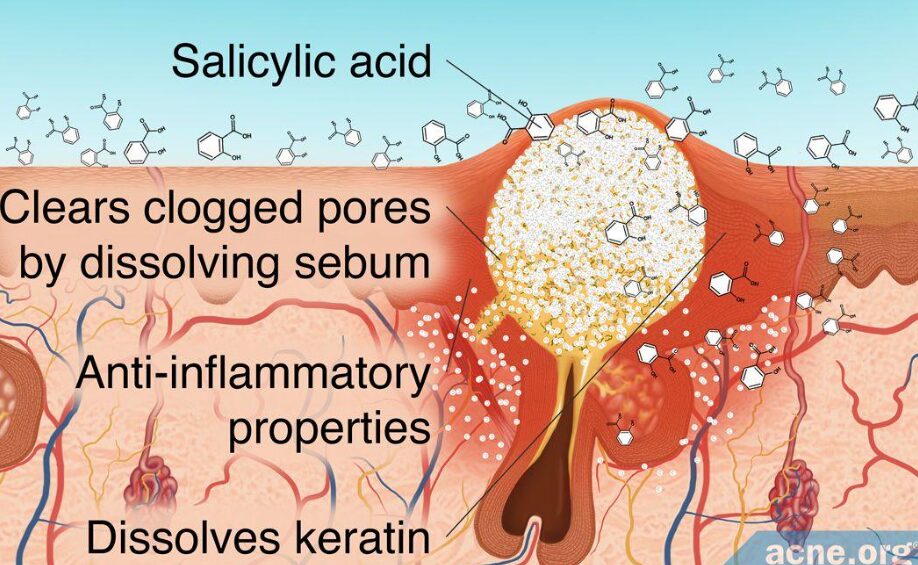
Salicylic acid helps soften and loosen pore-clogging buildup. It is especially useful for blackhead pores and acne-prone skin.
Because it can sometimes feel drying, it is best used in formulas that also include supportive moisturizing ingredients. It is easiest to understand salicylic acid as an exfoliating ingredient for clogged pores.
5. Glyceryl Glycine
Glyceryl glycine is often used to support the appearance of tighter pores. It is relatively mild and is commonly paired with other active ingredients.
Rather than expecting dramatic results from it alone, it works best as a supporting ingredient alongside ingredients such as niacinamide or vitamin C.
Differences and Similarities Between the Main Ingredients
This section covers the following points:
- Differences between niacinamide, vitamin C, and retinol
- Their shared benefits
- Differences in irritation potential and ease of use
The three main ingredients in this article may seem similar because they all help improve the appearance of pores, but they work in different ways. Understanding those differences makes it much easier to choose the right one.
Differences Between Niacinamide, Vitamin C, and Retinol
Niacinamide can be described as a balancing ingredient, vitamin C as a controlling ingredient, and retinol as a renewing ingredient.
Niacinamide helps improve overall skin balance. Vitamin C helps address oiliness and oxidation. Retinol promotes turnover and supports firmness. This means the right choice depends on the main concern.
If excess oil is the main issue, vitamin C may be more suitable. If lack of firmness is the priority, retinol may be more relevant. If you are unsure where to start, niacinamide is often the safest choice.
Their Shared Benefits
All of these ingredients can help make pores look less noticeable, but they do so through different pathways. Their shared outcome is improved pore appearance, while their process is not the same.
If you choose an ingredient without understanding this difference, your expectations may not match the actual results. It is more effective to choose based on function rather than popularity alone.
Differences in Irritation Potential and Ease of Use
Among these ingredients, retinol usually has the highest irritation potential. It is followed by salicylic acid, then vitamin C, while niacinamide is generally the easiest to tolerate.
That is why niacinamide is often the most practical starting point for beginners. From a formulation perspective, the real question is not only which ingredient is used, but how the whole formula is designed to improve tolerability.
Quick Comparison Table
| Ingredient | Main Role | Best for | Irritation Potential | Easy to Combine | What to Look for in Products |
|---|---|---|---|---|---|
| Niacinamide | Oil balance, barrier support | Enlarged pores, dryness-related pores | Low | High | Good for beginners, versatile in many formulas |
| Vitamin C | Antioxidant support, oil control | Blackhead pores, oily pores | Medium | Medium | The type of vitamin C derivative matters |
| Retinol | Skin renewal, firmness support | Sagging pores | High | Low | Start with lower strengths |
| Salicylic Acid | Exfoliation, unclogging pores | Blackhead pores | Medium | Low | Pay attention to usage frequency |
| Glyceryl Glycine | Pore-tightening support | Enlarged pores | Low | High | Useful as a supporting ingredient |
One common mistake is choosing a popular ingredient without considering the actual type of pore concern. For example, using only vitamin C for sagging pores may not be enough because the main issue is firmness, not just oil or oxidation. When the cause and the ingredient do not match, results are harder to feel.
How to Choose Ingredients Based on Pore Type
This section covers the following points:
- Ingredients for enlarged pores
- Ingredients for blackhead pores
- Ingredients for sagging pores
- Ingredients for dry and sensitive skin with visible pores
Pore care is not about asking which ingredient is best in general. It is about asking which ingredient is best for a specific pore concern. Once that is clear, the selection process becomes much easier.
Best Ingredients for Enlarged Pores
For enlarged pores, ingredients that support both oil balance and barrier function are the best fit. Niacinamide is one of the most practical options.
Instead of stripping away oil too aggressively, it helps balance sebum production while supporting the skin. Glyceryl glycine can also be used to reinforce the pore-tightening effect. In many cases, a thoughtful combination works better than a single-ingredient approach.
Best Ingredients for Blackhead Pores
Blackhead pores require both exfoliation and antioxidant care. A combination of salicylic acid and vitamin C is often the basic strategy.
Salicylic acid helps soften clogged buildup, while vitamin C helps address oxidation. Using only one of them may not be enough, so the real challenge is balancing them properly within the formula. Over-exfoliation should be avoided because it can increase irritation.
Best Ingredients for Sagging Pores
Sagging pores need ingredients that support firmness. Retinol is the most representative option in this category.
Because it works through skin renewal and firmness support, it is well suited to pores that look stretched due to loss of elasticity. However, it should usually be introduced gradually and paired with hydrating support.
Best Ingredients for Dry or Sensitive Skin With Visible Pores
For dry or sensitive skin, lower-irritation ingredients are essential. Niacinamide is often the most suitable choice.
It can also be combined with glyceryl glycine and moisturizing ingredients to create a gentler pore care approach. The most important point is to choose a formula that can be used consistently without excessive stress on the skin.

Can These Ingredients Be Combined?
This section covers the following points:
- Niacinamide and vitamin C
- Retinol and other ingredients
- How to reduce irritation through usage order and frequency
In pore care, a multi-ingredient approach is often more effective than relying on only one ingredient. However, combinations should be chosen carefully to avoid unnecessary irritation.
Niacinamide and Vitamin C
Niacinamide and vitamin C can be used together. In the past, some people believed they should not be combined, but modern cosmetic formulations commonly use them without issue.
In fact, they work well together for pore care because one supports oil balance and the other supports antioxidant protection. Another practical option is to use vitamin C in the morning and niacinamide at night.
Retinol and Other Ingredients
Retinol needs more caution when combined with other strong actives. For example, using retinol together with salicylic acid can increase the risk of irritation for some users.
In many cases, retinol is best used at night and separated from stronger exfoliating ingredients. Some formulas are designed around retinol alone for this reason.
How to Reduce Irritation
To reduce irritation, the order of use and frequency both matter. Lower-irritation products are usually introduced first, while retinol is added more carefully.
It is also not always necessary to use strong actives every day. Spacing out applications can improve tolerance and make the routine more sustainable over time.

How to Choose a Pore Serum
This section covers the following points:
- Why ingredients matter most
- The difference between affordable and premium products
- How to read the ingredient list
When choosing a pore serum, price and branding are not enough. The ingredient profile and formulation design matter much more. If you judge a product only by packaging or price, it becomes easy to choose something that does not match your needs.
Why You Should Choose by Ingredient
Pore care depends heavily on what the ingredients are designed to do. Even when two products both claim to target pores, they may be approaching the issue in completely different ways.
That is why understanding the main active ingredient should come before choosing the product itself.
Affordable vs. Premium Products
The difference in price often appears in the quality of the raw materials, concentration design, and stability system. Affordable products can still contain effective ingredients, but premium products may offer better balance in texture, stability, and long-term usability.
This does not mean expensive is always better. It means the formula structure should be evaluated more carefully.
How to Read the Ingredient List
Ingredients are generally listed in descending order by amount. This means the position of the key ingredient can provide a rough clue about how heavily it is used.
It is also helpful to look at the supporting ingredients. They can reveal whether the formula was designed mainly for exfoliation, soothing care, hydration, or balanced daily use.
OEM Perspective: Key Points in Pore Care Formulation
This section covers the following points:
- Balancing concentration and performance
- Stability design for vitamin C and retinol
- Designing for both efficacy and comfort
- Pore care ingredients preferred in overseas markets
A good pore care product is not created simply by adding a trendy ingredient. Performance, stability, and tolerability must be balanced together. This is where product development differs from general skincare advice.
Balancing Concentration and Performance
A higher concentration does not automatically mean a better product. The balance between performance and irritation risk is critical.
This is especially true for retinol and vitamin C, where concentration can strongly affect both user experience and product positioning.
Stability Design for Vitamin C and Retinol
Vitamin C and retinol are both sensitive ingredients. That is why derivative selection, container choice, and overall stability design are so important.
Airless packaging, light-protective containers, and well-designed support systems can all help maintain product quality.
Designing for Both Efficacy and Comfort
To reduce irritation while maintaining performance, formulators often combine active ingredients with moisturizers and supportive components. Ease of use depends on the total formula, not just the headline ingredient.
Pore Care Ingredients Preferred in Overseas Markets
In many overseas markets, niacinamide and vitamin C are especially popular for pore care because they can be formulated into relatively mild, easy-to-use products. Retinol also has steady demand, especially in anti-aging positioning.
The best formula depends on the target market. Demand can vary depending on region, regulations, and consumer expectations.

Conclusion: Which Ingredient Should You Choose?
Pore care results can vary greatly depending on ingredient choice. When you organize your decision by pore type, the selection becomes much easier.
Best Ingredient for Beginners
Niacinamide is the most practical starting point for most users. It is generally low in irritation and relevant to a wide range of pore concerns.
Best Ingredients by Pore Type
- Enlarged pores: Niacinamide
- Blackhead pores: Vitamin C + Salicylic Acid
- Sagging pores: Retinol
What to Do If You Are Unsure
If you are not sure where to start, choose based on whether the formula seems gentle enough for consistent use. Long-term consistency matters more than chasing short-term intensity.
For small-lot private label development, please see our Cosmetic OEM with MOQ from 100 units page.

Reference Links
If you are interested in launching your own cosmetic brand with a small production volume, please see the page below.
👉 Cosmetic OEM Available from a Small Lot of 100 Units
https://ai-cosmetic.co.jp/cosmetics-oem-small-lot/
【Reference Links】
Ministry of Health, Labour and Welfare (MHLW)
https://www.mhlw.go.jp/
CosIng
https://ec.europa.eu/growth/tools-databases/cosing/
Japan Cosmetic Industry Association (JCIA)
https://www.jcia.org/








コメント