

Choosing the right cosmetic OEM partner is one of the most critical decisions in product development. Many brands focus on cost or speed, but in reality, the partner you choose directly determines product quality, brand reputation, and long-term success. This guide explains how to evaluate and select the right OEM partner from a professional perspective.

Why Sample Approval Is the Most Critical Step in OEM
In cosmetic OEM development, the sample approval stage is not just a routine step—it is the foundation of your entire product.
Many brand owners underestimate this process. However, once mass production begins, even small changes become extremely difficult, time-consuming, and expensive. In some cases, changes are simply impossible.
This means that any mistake made at the sample stage will be directly reflected in thousands of finished products.
For example:
A slightly sticky texture can lead to poor customer reviews
A strong fragrance may not match the target market
Packaging issues can cause leakage or dissatisfaction
These problems may seem small, but they can significantly impact your brand reputation and sales.
That is why professional OEM development always focuses heavily on careful sample evaluation before approval.
What to Check Before Approving Cosmetic OEM Samples
To avoid costly mistakes, you must evaluate your samples from multiple perspectives.
Below are the five essential factors every brand owner should check.
Texture and Skin Feel
Texture is one of the most important factors in customer satisfaction.
Customers often decide whether they like a product within the first few seconds of use.
You should carefully evaluate:
Spreadability: Does it glide smoothly on the skin?
Absorption: Does it absorb quickly or sit on the surface?
Stickiness: Is there any uncomfortable residue?
Finish: Is it fresh, moist, or heavy?
Different markets prefer different textures.
For example:
Asian markets often prefer light, watery textures
Western markets may accept richer, creamier textures
Understanding your target market is essential when making this judgment.
Fragrance Suitability
Fragrance is another key factor that strongly influences customer perception.
Even if the formula is excellent, an unsuitable fragrance can lead to rejection.
You should check:
Strength: Is it too strong or too weak?
Balance: Is it pleasant and well-rounded?
Longevity: Does the scent remain comfortable over time?
Market preference: Does it fit cultural expectations?
For example:
Japanese customers tend to prefer subtle scents
Some overseas markets accept stronger fragrances
Choosing the right fragrance can significantly increase product appeal.
Immediate Performance
Modern consumers expect immediate results.
The first impression of a product often determines whether a customer will continue using it.
You should evaluate:
Hydration level after application
Skin brightness or tone improvement
Smoothness and softness
Overall comfort
Even if long-term effects are important, short-term satisfaction is critical for repeat purchases.
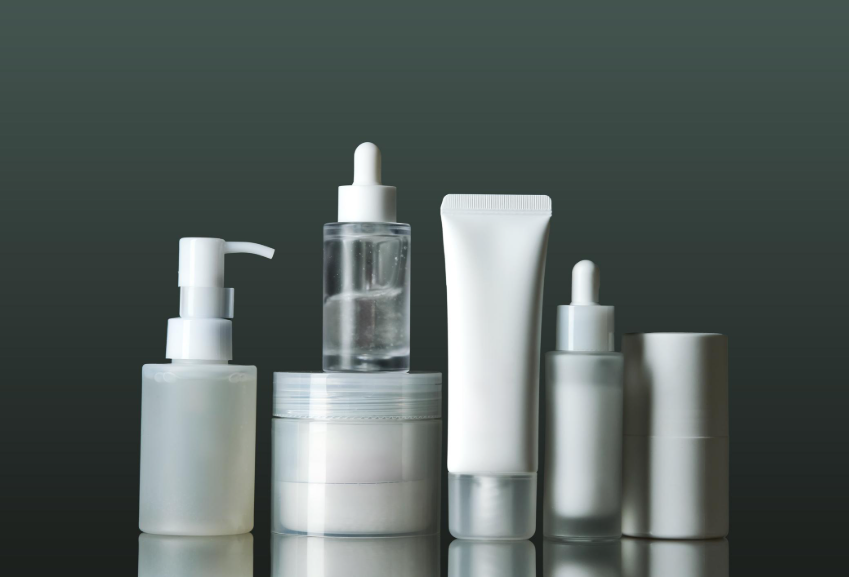
Packaging Compatibility
Packaging is not just about design—it directly affects usability.
A perfect formula can fail if the packaging does not function properly.
You should check:
Pump performance (smooth or inconsistent?)
Dosage control (too much or too little?)
Leakage during storage or transport
Ease of use for customers
Common issues include:
Pumps that clog
Containers that leak
Caps that break easily
These issues can lead to customer complaints and returns.
Stability and Durability
Stability ensures that your product maintains its quality over time.
This is especially important for international distribution.
You should test:
Separation of ingredients
Color changes over time
Changes in texture
Reaction to temperature (heat and cold)
For example:
Products may separate in high temperatures
Color may change due to light exposure
Stability testing is essential for maintaining brand trust.

Common Mistakes When Approving OEM Samples
Many brand owners make critical mistakes during the approval process.
These mistakes often lead to serious problems after launch.
Typical mistakes include:
Approving based only on appearance
Testing the product for only one day
Not considering the target market
Ignoring packaging functionality
Not testing under different environmental conditions
Avoiding these mistakes can save significant time and cost.
How Professionals Test OEM Samples
Experienced professionals follow structured testing processes.
They do not rely on first impressions alone.
Professional testing includes:
Using the product continuously for several days
Testing with multiple people (different skin types)
Checking performance in different climates
Evaluating packaging functionality repeatedly
This approach ensures that the product performs consistently in real-world conditions.
Why Careful Sample Evaluation Leads to Business Success
The sample approval stage is directly connected to your business results.
A well-tested product will:
Receive better customer reviews
Build stronger brand trust
Reduce returns and complaints
Increase repeat purchases
How to Choose the Right Cosmetic OEM Partner (Complete Guide for Brand Owners)
Choosing the right cosmetic OEM partner is one of the most critical decisions for any brand owner. A poor choice can lead to quality issues, delays, and financial loss. On the other hand, the right partner can accelerate your success. This guide explains how to select a reliable OEM partner step by step.
What Is a Cosmetic OEM Partner?
This section covers the following key points:
Definition of Cosmetic OEM
OEM vs ODM vs Private Label
First, a cosmetic OEM partner is a specialized manufacturer that develops and produces products on behalf of brands that do not have their own facilities. Product quality, consistency, and market competitiveness largely depend on the partner’s technical capability and operational reliability. Therefore, understanding the OEM model is the foundation for selecting the right partner.
Next, OEM typically means manufacturing based on the brand’s specifications and formulations. In contrast, ODM includes proposal and development support from the manufacturer side. Private label, on the other hand, uses pre-developed formulas, which can reduce time and cost but limits differentiation. By clearly understanding these differences, brands can choose the most suitable approach based on their resources and positioning.
Definition of Cosmetic OEM
First, cosmetic OEM refers to a manufacturing model in which a brand outsources product development and production to a specialized manufacturer. Instead of investing in facilities, equipment, and technical staff, the brand focuses on marketing, branding, and sales while the OEM partner handles formulation, production, and quality control.
Additionally, this model is widely used in the cosmetics industry because it allows companies to enter the market efficiently without large upfront investment. OEM manufacturers already possess the infrastructure and expertise required to produce compliant and stable products, which reduces both time and risk.
Therefore, understanding the definition of cosmetic OEM is essential, as it forms the basis for evaluating partners and making informed decisions in product development.
OEM vs ODM vs Private Label
First, OEM, ODM, and private label represent different levels of involvement in product development and manufacturing. OEM requires the brand to define the product concept, specifications, and sometimes the formulation, while the manufacturer executes production based on those instructions.
Next, ODM goes a step further by allowing the manufacturer to propose formulations, product concepts, and development solutions. This is particularly useful for brands that lack technical expertise or want to leverage the manufacturer’s research and development capabilities.
On the other hand, private label uses pre-existing formulas that are already developed and tested. This approach enables faster market entry and lower costs but limits product differentiation.
Therefore, choosing between OEM, ODM, and private label should be based on a brand’s resources, timeline, and strategic goals.
Why Choosing the Right Cosmetic OEM Partner Matters
This section covers the following key points:
Impact on Product Quality and Brand Reputation
Risks of Choosing the Wrong OEM Partner
First, selecting the right cosmetic OEM partner directly determines product quality, safety, and brand credibility. Since the manufacturer controls formulation accuracy, production consistency, and compliance, any weakness in these areas will immediately affect the final product.
Therefore, partner selection is not simply a purchasing decision but a core factor in long-term brand success.
Additionally, choosing the wrong partner can create serious operational and reputational risks. Issues such as inconsistent quality, delayed production, and lack of regulatory support often lead to customer complaints and financial loss.
As a result, evaluating an OEM partner should be approached as a strategic decision, with a clear understanding of both potential benefits and risks.
Impact on Product Quality and Brand Reputation
First, the quality of a cosmetic product is directly controlled by the OEM partner’s formulation accuracy, manufacturing process, and quality management system.
Even if the concept and branding are strong, inconsistent production or unstable formulations will lead to noticeable differences in the final product. As a result, customer trust is immediately affected.
Additionally, brand reputation is built on consistency and reliability. When products perform as expected across different batches, customers develop confidence and are more likely to repurchase.
On the other hand, even minor defects such as texture inconsistency or packaging issues can quickly lead to negative reviews and damage the brand image.
Therefore, selecting an OEM partner with proven technical capability and strict quality control is essential for maintaining both product performance and long-term brand credibility.
Risks of Choosing the Wrong OEM Partner
First, selecting the wrong cosmetic OEM partner often leads to issues that are difficult and costly to correct after production begins. Common problems include inconsistent product quality, delays in manufacturing, and lack of proper documentation.
These issues do not appear at the initial stage but become visible during scaling or after the product reaches the market.
Additionally, poor communication and unclear responsibility structures create ongoing operational challenges. When responses are delayed or technical explanations are insufficient, decision-making slows down and mistakes increase.
As a result, product launches may be postponed, and business opportunities can be lost.
Therefore, the risk of choosing the wrong partner is not limited to production failure. It directly impacts timelines, costs, and brand trust. This is why careful evaluation at the partner selection stage is essential for avoiding long-term business risks.

Benefits of Working With a Cosmetic OEM Partner
This section covers the following key points:
Faster Time to Market
Cost Efficiency and Risk Reduction
Access to R&D and Formulation Expertise
First, working with a cosmetic OEM partner allows brands to efficiently develop and launch products without building internal manufacturing capabilities. By leveraging existing infrastructure and expertise, companies can focus on branding and sales while maintaining product quality.
Additionally, OEM partnerships reduce operational risks and costs by eliminating the need for large capital investments. Manufacturers already have validated processes, regulatory knowledge, and quality control systems in place. As a result, brands can avoid common pitfalls associated with in-house production.
Therefore, collaborating with an OEM partner is not only a cost-saving strategy but also a way to accelerate growth and improve overall business efficiency.
Faster Time to Market
First, working with a cosmetic OEM partner significantly reduces the time required to bring a product to market. Instead of building manufacturing capabilities internally,
brands can utilize existing facilities, established supply chains, and experienced production teams. This eliminates setup delays and allows development to move forward immediately.
Additionally, many OEM manufacturers already have pre-tested formulations and standardized production processes. Rather than starting from zero, brands can customize these existing solutions, which shortens development time while maintaining quality.
This approach is especially effective when responding to fast-moving trends in the beauty market.
Therefore, faster time to market is not just a convenience but a competitive advantage. Brands that launch products quickly are better positioned to capture demand and stay ahead of competitors.
Cost Efficiency and Risk Reduction
First, working with a cosmetic OEM partner reduces the need for large upfront investment in facilities, equipment, and specialized personnel.
Building an in-house manufacturing system requires significant capital and time, whereas OEM partners already have established production environments.
This allows brands to allocate resources more efficiently toward marketing and sales activities.
Additionally, OEM manufacturers operate based on proven processes and accumulated experience, which reduces the risk of formulation errors, production defects, and compliance issues. Since they are familiar with regulatory requirements and quality standards, the likelihood of costly mistakes is significantly lower.
Therefore, OEM partnerships provide both financial efficiency and operational stability. By minimizing investment and reducing risk exposure, brands can focus on growth while maintaining product reliability.
Access to R&D and Formulation Expertise
First, one of the most significant advantages of working with a cosmetic OEM partner is access to specialized research and development capabilities.
OEM manufacturers employ experienced chemists and formulation experts who understand ingredient compatibility, stability, and performance. This expertise is difficult and costly to build internally.
Additionally, OEM partners stay updated with market trends, new ingredients, and regulatory requirements. They can propose formulations that align with current consumer demands while ensuring safety and compliance.
This allows brands to develop competitive products without needing deep technical knowledge.
Therefore, leveraging OEM expertise is not just about convenience. It enables brands to create high-quality, market-relevant products with a strong technical foundation, which is essential for long-term success.
How to Choose the Right Cosmetic OEM Partner
This section covers the following key points:
Technical Capabilities and Certifications (GMP, ISO, FDA)
Minimum Order Quantity and Pricing Structure
Quality Control and Compliance Support
Communication, Language, and Project Management
Sample Development and Approval Process
First, selecting the right cosmetic OEM partner requires evaluating multiple factors beyond price and speed. The partner’s technical capability, regulatory knowledge, and operational structure directly affect product quality and project success. Therefore, a structured evaluation process is essential.
Additionally, many brands fail not because of concept issues, but due to weak execution by the manufacturing partner. As a result, understanding how to assess an OEM partner from a practical and operational perspective is critical.
The following sections explain the key criteria used by professionals when making this decision.

Conclusion
First, choosing and evaluating a cosmetic OEM partner is not simply a selection process—it is a critical business decision that directly impacts product quality, brand reputation, and long-term growth.
Additionally, successful brands do not rely on price or speed alone. They focus on technical capability, communication quality, and the partner’s ability to execute consistently. This practical perspective is what separates stable businesses from those that face repeated product issues.
Therefore, the key is not just finding an OEM partner, but selecting one that aligns with your business goals, quality standards, and market positioning. A well-chosen partner becomes a long-term asset, not just a supplier.
Key Takeaways
OEM partner selection directly affects product quality and brand credibility
Technical capability and certifications are more important than price alone
Clear communication and project management reduce operational risk
Sample development and approval processes determine final product success
Long-term partnership mindset leads to sustainable business growth
Final Thoughts
If you want to build a strong and reliable cosmetic brand, take the time to evaluate your OEM partner from a professional perspective.
Start your cosmetic OEM project from small lot
https://ai-cosmetic.co.jp/cosmetics-oem-small-lot/
① 成分・安全性(超重要)
👉 EU化粧品成分データベース
https://ec.europa.eu/growth/tools-databases/cosing/
② 規制・品質(日本)
👉 日本化粧品工業会
https://www.jcia.org/
③ FDA(アメリカ市場)
👉 FDA Cosmetics
https://www.fda.gov/cosmetics
④ ISO(品質管理)
👉 ISO Standards
https://www.iso.org/home.html
⑤ GMP(製造品質)
👉 WHO GMP Overview
https://www.who.int/teams/regulation-prequalification/regulation-and-safety/pharmaceuticals/gmp





コメント