

Why Sample Approval Is the Most Critical Step in OEM
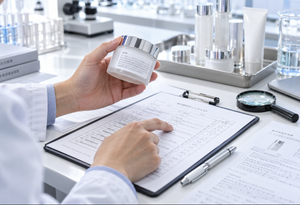
In cosmetic OEM development, the sample approval stage is not just a routine step—it is the foundation of your entire product.
Many brand owners underestimate this process. However, once mass production begins, even small changes become extremely difficult, time-consuming, and expensive. In some cases, changes are simply impossible.
This means that any mistake made at the sample stage will be directly reflected in thousands of finished products.
For example:
- A slightly sticky texture can lead to poor customer reviews
- A strong fragrance may not match the target market
- Packaging issues can cause leakage or dissatisfaction
These problems may seem small, but they can significantly impact your brand reputation and sales.
That is why professional OEM development always focuses heavily on careful sample evaluation before approval.
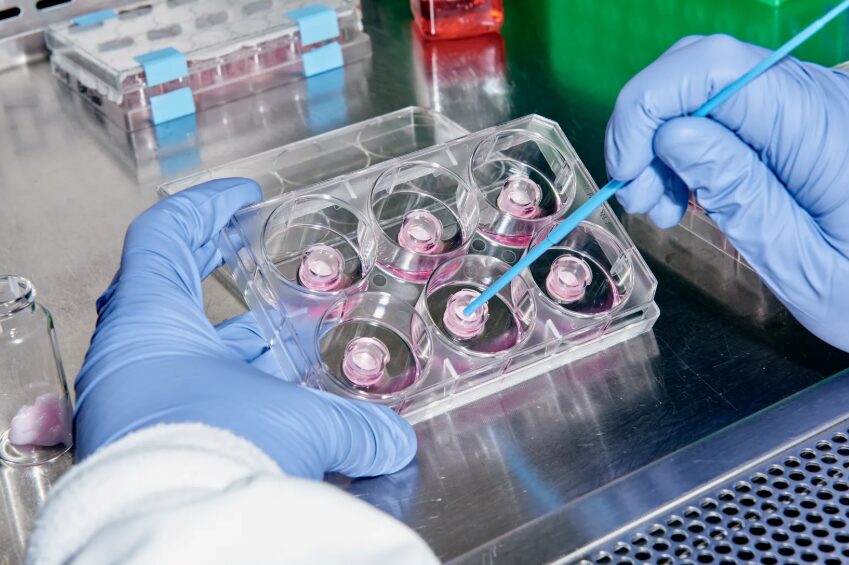

What to Check Before Approving Cosmetic OEM Samples
To avoid costly mistakes, you must evaluate your samples from multiple perspectives.
Below are the five essential factors every brand owner should check.
Texture and Skin Feel
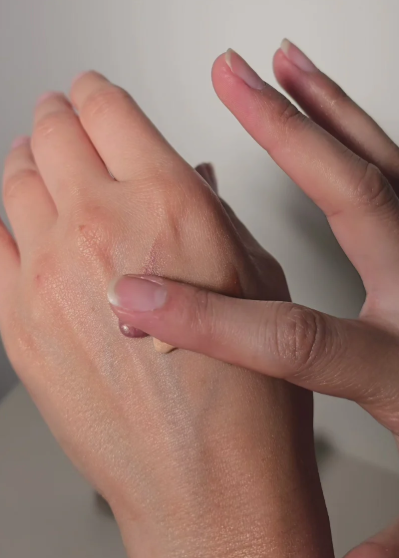
Texture is one of the most important factors in customer satisfaction.
Customers often decide whether they like a product within the first few seconds of use.
You should carefully evaluate:
- Spreadability: Does it glide smoothly on the skin?
- Absorption: Does it absorb quickly or sit on the surface?
- Stickiness: Is there any uncomfortable residue?
- Finish: Is it fresh, moist, or heavy?
Different markets prefer different textures.
For example:
- Asian markets often prefer light, watery textures
- Western markets may accept richer, creamier textures
Understanding your target market is essential when making this judgment.
Fragrance Suitability
Fragrance is another key factor that strongly influences customer perception.
Even if the formula is excellent, an unsuitable fragrance can lead to rejection.
You should check:
- Strength: Is it too strong or too weak?
- Balance: Is it pleasant and well-rounded?
- Longevity: Does the scent remain comfortable over time?
- Market preference: Does it fit cultural expectations?
For example:
- Japanese customers tend to prefer subtle scents
- Some overseas markets accept stronger fragrances
Choosing the right fragrance can significantly increase product appeal.

Immediate Performance
Modern consumers expect immediate results.
The first impression of a product often determines whether a customer will continue using it.
You should evaluate:
- Hydration level after application
- Skin brightness or tone improvement
- Smoothness and softness
- Overall comfort
Even if long-term effects are important, short-term satisfaction is critical for repeat purchases.

Packaging Compatibility
Packaging is not just about design—it directly affects usability.
A perfect formula can fail if the packaging does not function properly.
You should check:
- Pump performance (smooth or inconsistent?)
- Dosage control (too much or too little?)
- Leakage during storage or transport
- Ease of use for customers
Common issues include:
- Pumps that clog
- Containers that leak
- Caps that break easily
These issues can lead to customer complaints and returns.

Stability and Durability
Stability ensures that your product maintains its quality over time.
This is especially important for international distribution.
You should test:
- Separation of ingredients
- Color changes over time
- Changes in texture
- Reaction to temperature (heat and cold)
For example:
- Products may separate in high temperatures
- Color may change due to light exposure
Stability testing is essential for maintaining brand trust.

Common Mistakes When Approving OEM Samples
Many brand owners make critical mistakes during the approval process.
These mistakes often lead to serious problems after launch.
Typical mistakes include:
- Approving based only on appearance
- Testing the product for only one day
- Not considering the target market
- Ignoring packaging functionality
- Not testing under different environmental conditions
Avoiding these mistakes can save significant time and cost.
How Professionals Test OEM Samples
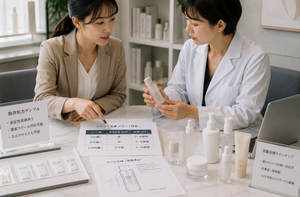
Experienced professionals follow structured testing processes.
They do not rely on first impressions alone.
Professional testing includes:
- Using the product continuously for several days
- Testing with multiple people (different skin types)
- Checking performance in different climates
- Evaluating packaging functionality repeatedly
This approach ensures that the product performs consistently in real-world conditions.
Why Careful Sample Evaluation Leads to Business Success
The sample approval stage is directly connected to your business results.
A well-tested product will:
- Receive better customer reviews
- Build stronger brand trust
- Reduce returns and complaints
- Increase repeat purchases
On the other hand, poor sample evaluation can lead to:
- Negative reviews
- Product returns
- Loss of brand credibility
In today’s competitive market, quality and user experience are everything.
Conclusion
Approving a cosmetic OEM sample is not just a simple step—it is the most important decision in your product development journey.
Taking the time to carefully evaluate your samples will help you create high-quality products that customers trust and love.
If you want to build a successful brand, never rush this process.
Start your cosmetic OEM project from small lot
https://ai-cosmetic.co.jp/cosmetics-oem-small-lot/
① 化粧品の安全性・規制(超重要)
👉 U.S. Food and Drug Administration
https://www.fda.gov/cosmetics
👉 European Commission(EU Cosmetics Regulation)
https://ec.europa.eu/growth/sectors/cosmetics_en
👉 Ministry of Health, Labour and Welfare
https://www.mhlw.go.jp
② 安定性・品質(プロっぽさ爆上がり)
👉 International Organization for Standardization(ISO 22716 GMP)
https://www.iso.org/standard/36437.html
👉 Personal Care Products Council
https://www.personalcarecouncil.org/
③ 成分・安全性(信頼性アップ)
👉 Cosmetic Ingredient Review
https://www.cir-safety.org/
👉 EWG
https://www.ewg.org/skindeep/





コメント