

When overseas brands start developing their own skincare or cosmetic line, one of the first questions they ask is:
“Why do cosmetic manufacturers require a minimum order quantity?”
In particular, Japanese cosmetic OEM manufacturers often set a minimum order requirement before production begins. For new brand owners, this may initially seem inconvenient or confusing.
However, minimum order quantities (MOQ) exist for practical reasons related to manufacturing efficiency, quality control, packaging production, and regulatory compliance.
In this article, we explain why Japanese cosmetic OEM factories require MOQ and how it helps maintain the high quality that “Made in Japan” cosmetics are known for worldwide.
What Is MOQ in Cosmetic Manufacturing?
MOQ stands for Minimum Order Quantity.
It refers to the smallest number of units a manufacturer requires in order to begin production.
For cosmetic OEM manufacturing, MOQ typically ranges between:
- 100 units (small lot production)
- 500 units
- 1,000 units or more
The exact quantity depends on several factors, including the type of product, packaging requirements, and the complexity of the formulation.
In Japan, many cosmetic OEM manufacturers are known for supporting small-lot production, which makes it possible for startup brands to launch their products without extremely large investments.
Reason 1: Manufacturing Efficiency
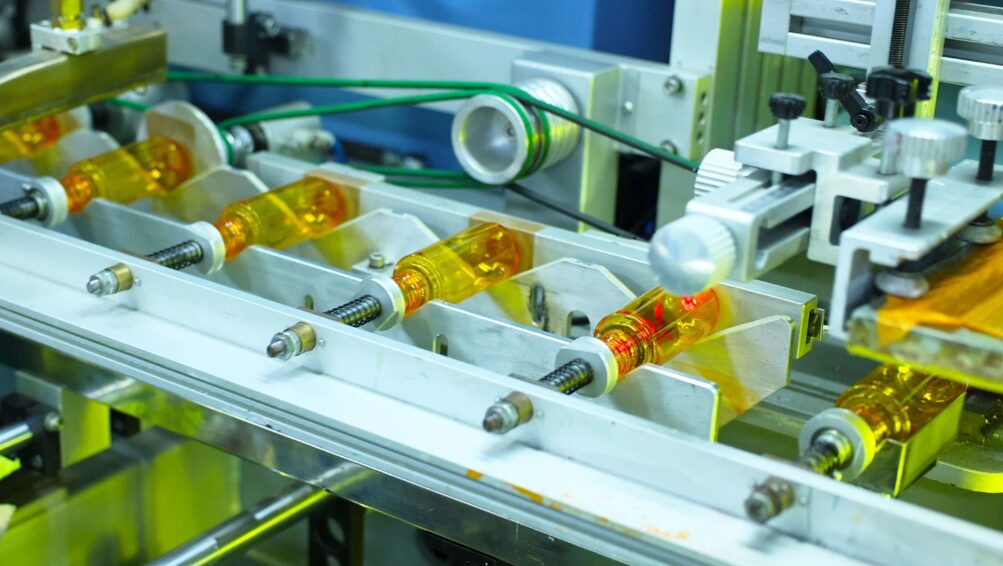
Cosmetic production involves multiple steps:
- ingredient weighing
- mixing
- emulsification
- filling
- packaging
- labeling
- quality inspection
Each production run requires preparation, equipment cleaning, and setup.
If manufacturers produced extremely small quantities, the cost per product would increase dramatically. By setting a minimum order quantity, factories can maintain efficient production while keeping costs reasonable.
This allows manufacturers to operate efficiently while delivering consistent product quality.

Reason 2: Packaging and Container Production
Packaging plays a major role in cosmetic manufacturing.
Items such as:
- bottles
- pumps
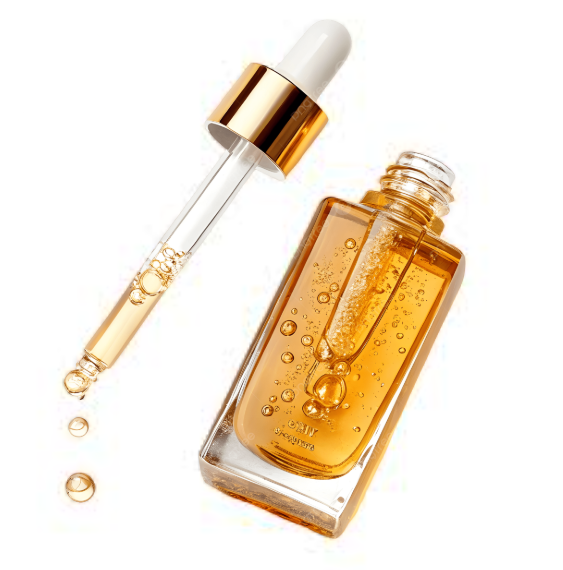
- droppers
- jars
- product boxes
- labels
are usually produced by specialized packaging suppliers.
Most packaging manufacturers also have their own minimum production quantities. For example, a bottle supplier may require 500 or 1,000 units per order.
Because of this, cosmetic OEM factories must coordinate with packaging suppliers, which naturally leads to minimum order requirements for the final product.
Reason 3: Quality Control Standards
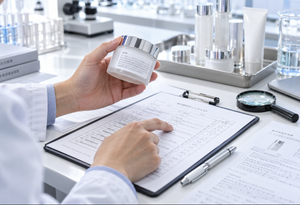
Japan is well known for its strict quality control standards in cosmetic manufacturing.
Factories must follow regulated processes such as:
- ingredient verification
- batch control
- contamination prevention
- stability testing
- product safety checks
Even for small production runs, these procedures require time, equipment, and professional staff.
By maintaining a reasonable MOQ, manufacturers can perform thorough quality control while ensuring that every product meets safety and performance standards.
This commitment to quality is one of the reasons Made in Japan cosmetics are highly trusted worldwide.
Reason 4: Regulatory Compliance
Cosmetics manufactured in Japan must comply with regulations under the Pharmaceutical and Medical Device Act (PMD Act).
Manufacturers must maintain:
- product documentation
- ingredient records
- production batch records
- safety assessments
These regulatory requirements apply regardless of production size. Therefore, manufacturers set minimum order quantities to make regulatory management practical and sustainable.
Small Lot Cosmetic OEM in Japan
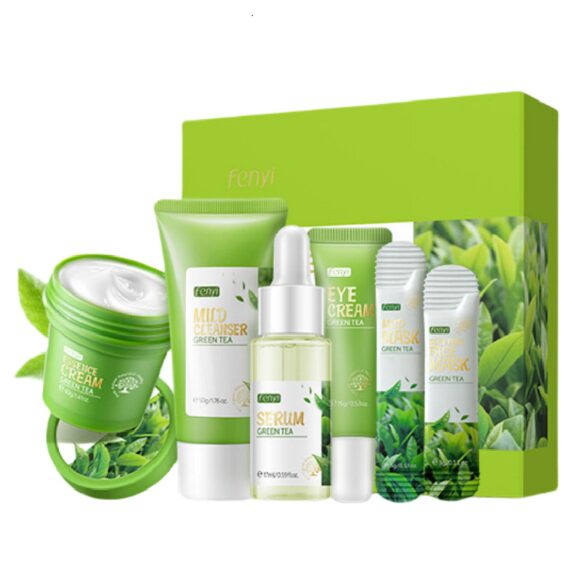
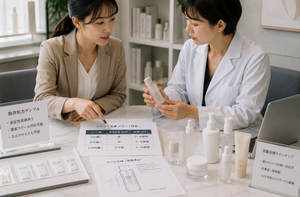
The good news for overseas brands is that many Japanese cosmetic OEM manufacturers support small lot production compared with factories in other countries.
In some cases, production can begin from:
100 units per product
This makes it possible for:
- new beauty brands
- esthetic salons
- influencers
- small skincare businesses
to launch their own products with relatively low initial investment.
Small-lot production also allows brands to test the market before expanding into larger manufacturing volumes.
Conclusion
Minimum order quantities in cosmetic OEM manufacturing are not simply restrictions.
They are necessary to maintain:
- manufacturing efficiency
- packaging supply stability
- strict quality control
- regulatory compliance
These factors ensure that cosmetic products meet the high standards expected from Japanese manufacturing.
For overseas brands seeking reliable production partners, Japanese cosmetic OEM manufacturers provide not only advanced formulation technology but also a structured manufacturing process that protects product quality and consumer safety.
Understanding MOQ helps brand owners plan their product development more effectively and build successful cosmetic businesses.
If you are interested in launching your own cosmetic brand with a small production volume, please see the page below.
👉 Cosmetic OEM Available from a Small Lot of 100 Units
https://ai-cosmetic.co.jp/cosmetics-oem-small-lot/
Japanese regulation information
PMDA (Pharmaceuticals and Medical Devices Agency)
https://www.pmda.go.jp/english/
Japan Cosmetic Industry Association
https://www.jcia.org/en/






コメント