

Panthenol is one of the most widely used ingredients in modern skincare formulations. Known as provitamin B5, it provides multiple benefits such as hydration, soothing effects, and skin repair support.
In cosmetic OEM development, panthenol is not simply added as a moisturizing ingredient. Its role must be clearly defined within the formulation to achieve the intended product performance.
This article explains what panthenol is, how it works, and how to properly design formulations from an OEM perspective.
What Is Panthenol? Basic Overview in Cosmetics
This section covers the following key points:
- Characteristics of panthenol (provitamin B5)
- Difference between D-panthenol and DL-panthenol
- Position as a cosmetic raw material
Panthenol is a precursor of vitamin B5 and is widely used in skincare due to its multifunctional properties. It is highly compatible with water-based formulations and supports both skin hydration and barrier recovery.
Characteristics of Panthenol (Provitamin B5)
First, panthenol functions as a humectant that attracts and retains moisture in the skin. This improves hydration levels and enhances skin softness.
In practical formulation, panthenol is often used in toners and serums where fast absorption is required. Unlike heavy occlusive ingredients, it provides lightweight hydration without stickiness.
As a result, it is commonly used in products targeting sensitive or dehydrated skin.
Difference Between D-Panthenol and DL-Panthenol
Next, panthenol exists in two forms: D-panthenol and DL-panthenol. D-panthenol is the biologically active form and is commonly used in cosmetics and quasi-drugs.
DL-panthenol is a mixture of active and inactive forms, which makes it more cost-effective but slightly less functional.
In OEM manufacturing, the choice depends on product positioning. Premium products typically use D-panthenol, while cost-focused products may use DL-panthenol.
Position as a Cosmetic Raw Material
Furthermore, panthenol is recognized as both a cosmetic ingredient and an active ingredient in quasi-drugs. It is commonly used for skin conditioning, moisturizing, and soothing purposes.
In regulatory terms, panthenol is widely accepted in Japan, the EU, and other global markets. However, labeling and claims must comply with local regulations such as the Pharmaceutical Affairs Law in Japan or EU Cosmetic Regulation.
https://ai-cosmetic.co.jp/oemodm/
What Are the Benefits of Panthenol?
This section covers the following key points:
- Moisturizing effect
- Skin barrier support
- Anti-inflammatory effect
- Skin repair function
Panthenol provides multiple skin benefits, making it a versatile ingredient in formulation design.
Moisturizing Effect
First, panthenol improves skin hydration by attracting moisture and reducing water loss.
In real product development, combining panthenol with glycerin or hyaluronic acid enhances hydration performance. This combination is frequently used in toner and serum formulations.
Skin Barrier Support
Next, panthenol supports the skin barrier by improving the structure of the stratum corneum.
In OEM cases, it is often used in sensitive skin products to stabilize irritated skin and strengthen the barrier function.
Anti-Inflammatory and Soothing Effect
Additionally, panthenol helps reduce redness and irritation.
For example, it is commonly included in after-sun care, acne care, and post-treatment skincare products.
Skin Repair Function
Finally, panthenol supports the regeneration of damaged skin.
In formulation design, it is often combined with peptides or centella asiatica extract to enhance repair effects.
https://ai-cosmetic.co.jp/oemodm/
What Types of Products Use Panthenol?
This section covers the following key points:
- Toners and serums
- Creams and emulsions
- Sensitive skin and acne care products
Panthenol is used across various product categories due to its versatility.
Use in Toners and Serums
First, panthenol is widely used in lightweight formulations such as toners and serums.
Its water solubility allows easy formulation without affecting texture.
Role in Creams and Emulsions
Next, in creams and emulsions, panthenol works as a supporting ingredient for hydration and barrier repair.
It enhances the overall stability of the formulation when combined with oils and emulsifiers.
Use in Sensitive Skin and Acne Care Products
Additionally, panthenol is frequently used in products designed for sensitive or acne-prone skin.
It helps calm irritation and supports recovery without causing additional stress to the skin.
https://ai-cosmetic.co.jp/oemodm/
Concentration and Safety of Panthenol
This section covers the following key points:
- Typical concentration range
- Maximum usage considerations
- Potential side effects
Panthenol is generally considered safe when used within appropriate concentrations.
Typical Concentration Range
First, panthenol is typically used at concentrations between 0.5% and 5%.
Lower concentrations are used for hydration, while higher concentrations are used for repair-focused products.
Maximum Usage and Precautions
Next, excessive concentration may affect formulation stability and texture.
In OEM practice, balance with other ingredients is essential to maintain product performance.
Potential Side Effects
Finally, panthenol is considered low-risk, but rare cases of irritation may occur.
Patch testing is recommended during product development.
https://ai-cosmetic.co.jp/oemodm/
Compatibility with Other Ingredients
This section covers the following key points:
- Combination with niacinamide
- Differences from hyaluronic acid and ceramides
- Combination with retinol
Panthenol performs best when used in combination with other functional ingredients.
Combination with Niacinamide
First, panthenol and niacinamide work well together for improving skin barrier and hydration.
This combination is commonly used in brightening and calming products.
Difference from Hyaluronic Acid and Ceramides
Next, panthenol provides hydration support, while ceramides strengthen the barrier and hyaluronic acid retains water.
Combining these creates a more complete skincare effect.
Combination with Retinol
Finally, panthenol helps reduce irritation caused by retinol.
It is often included in retinol formulations to improve tolerability.
https://ai-cosmetic.co.jp/oemodm/
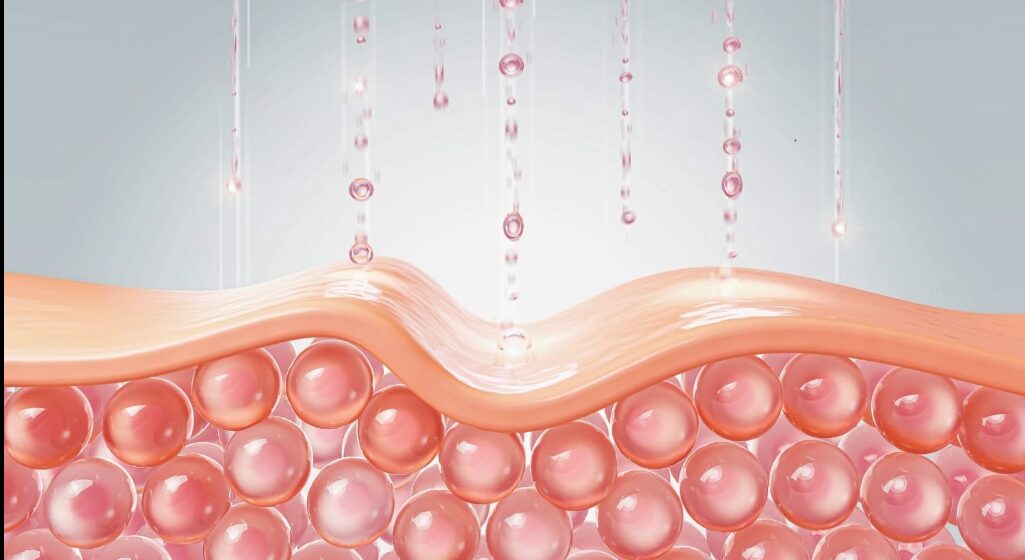
OEM Perspective: Formulation Design with Panthenol
This section covers the following key points:
- Ingredient balance
- Purpose-based formulation
- Common mistakes
From an OEM perspective, panthenol must be positioned correctly within the formulation.
Ingredient Balance
First, panthenol should not be used in isolation.
It must be balanced with humectants, emollients, and actives.
Purpose-Based Formulation
Next, formulation design must match the product concept.
For example, calming products prioritize soothing effects, while anti-aging products focus on repair support.
Common Mistakes
Finally, a common mistake is overloading ingredients without a clear purpose.
This can lead to unstable formulations and poor user experience.
https://ai-cosmetic.co.jp/oemodm/
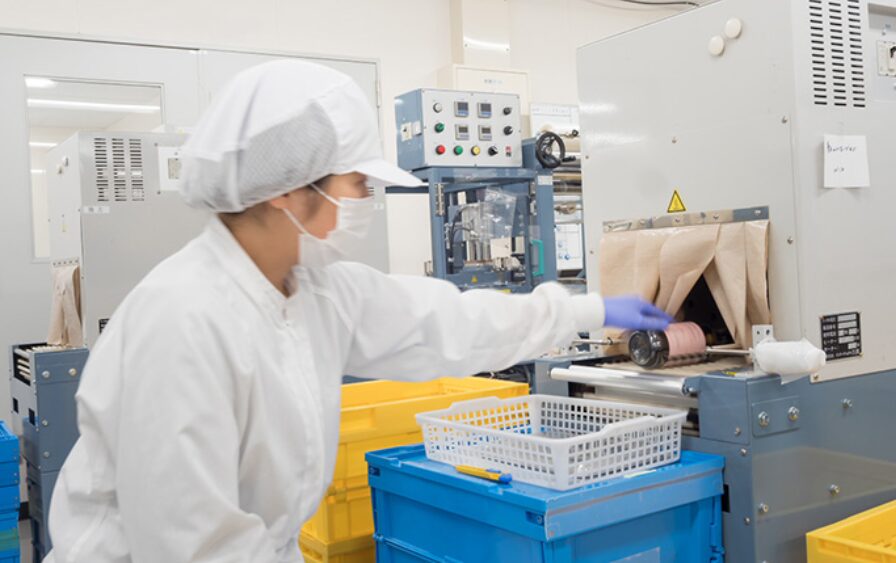
Final Thoughts
In conclusion, panthenol is a multifunctional ingredient that plays a key role in modern skincare formulations.
However, its effectiveness depends on how it is used within the formulation. Proper design, ingredient balance, and regulatory compliance are essential for successful product development.
If you are considering developing your own cosmetic product, it is important to plan from the early stages.
https://ai-cosmetic.co.jp/cosmetics-oem-small-lot/


コメント