

When expanding a cosmetic brand internationally, one of the most overlooked factors is the difference between ingredient regulations and market expectations.
In recent years, the perception of ingredients such as BHT (Butylated Hydroxytoluene) has significantly changed in the European market.
BHT is widely used in Japan as an antioxidant and is considered safe when used within regulated limits.
However, in Europe, the rise of “clean beauty” and “natural formulations” has led to increasing resistance from consumers and buyers—even when the ingredient is legally permitted.
In fact, in real OEM projects, it is very common for clients to ask:
“Does this product contain BHT?”
This question is not only about safety—it directly affects whether a product will sell.
In this article, we explain the role of BHT, its regulatory status in the EU, and more importantly, why reformulation is often required for international markets. We also share practical insights on how to design formulations that are not only compliant but also marketable.
What Is BHT? Its Role in Cosmetics
Basic Overview of BHT (Butylated Hydroxytoluene)
BHT is a synthetic antioxidant used to prevent the oxidation of oils and active ingredients. It helps maintain product stability, especially in formulations containing vitamins or plant-based oils. Due to its effectiveness at low concentrations, it is widely used in skincare and makeup products.
Role as an Antioxidant in Cosmetic Formulations
Antioxidants play a critical role in cosmetic formulations because many ingredients are sensitive to air and light. Without proper stabilization, oxidation can lead to discoloration, odor changes, and reduced efficacy. BHT helps extend shelf life and ensures consistent product quality.
Why It Has Been Widely Used
BHT has been widely adopted due to its stability, cost efficiency, and long history of safe use. It offers a reliable balance between performance and cost, making it a standard ingredient in many OEM formulations.

Is BHT Dangerous? Safety and Regulations
Scientific View on BHT Safety
BHT is considered safe when used within regulated limits. Multiple regulatory bodies have evaluated its safety, and typical concentrations used in cosmetics are not considered harmful.
EU Regulations on BHT
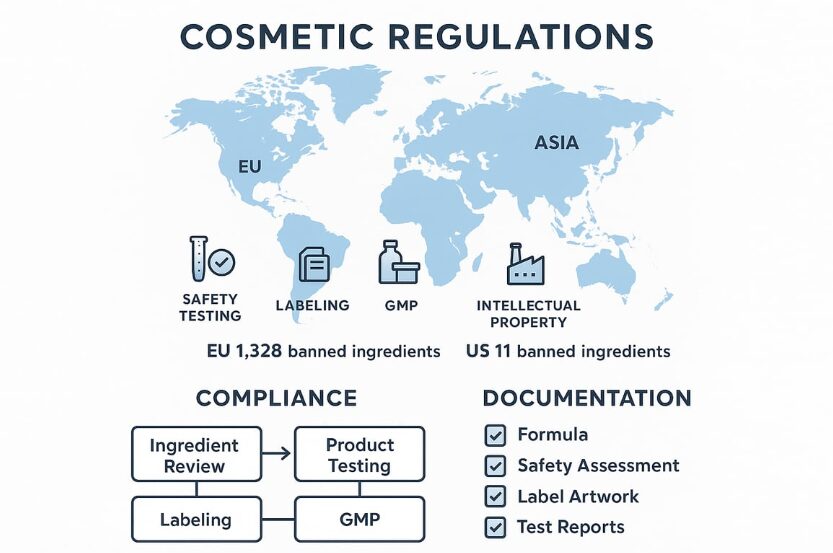
BHT is not banned in the EU but is subject to usage restrictions. However, even when legally permitted, it may still be avoided due to consumer perception.
Differences Between EU, Japan, and the US
While Japan and the US allow BHT under regulated conditions, the EU tends to adopt a more precautionary approach. Consumer perception also plays a larger role in Europe compared to other regions.
Why Is BHT Avoided in the EU Market?
Rise of Clean Beauty
Clean beauty emphasizes minimal and “safe-looking” ingredients. Synthetic antioxidants like BHT are often perceived negatively, regardless of their actual safety.
Demand for “Free-From” Formulations
Consumers prefer products labeled as “BHT-free” because it provides a clear and simple sense of safety, even if the scientific risk is low.
Consumer Psychology and Marketing
In the EU, purchasing decisions are influenced not only by function but also by perception and brand storytelling. Ingredient selection directly impacts brand positioning.

Real OEM Issues Related to BHT
“Does It Contain BHT?” — A Common Client Question
This question reflects marketing concerns rather than purely safety concerns. It often determines whether a product can be sold in a target market.
Not a Regulation Issue, but a Marketability Issue
Even if a formulation is compliant, it may not be accepted by consumers. Market fit is just as important as regulatory compliance.
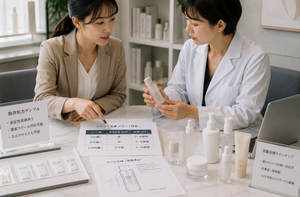
Misalignment Between Labs and Clients
Labs focus on stability and safety, while clients focus on branding and sales. This gap often leads to reformulation requests and increased costs.

How to Formulate Without BHT
Pros and Cons of BHT-Free Formulations
Removing BHT improves marketing appeal but may affect stability and cost. A balanced approach is required.
Alternative Ingredients and Stability Strategies
Common alternatives include tocopherol (Vitamin E) and plant extracts. However, full formulation adjustments are necessary to maintain stability.
Shift Toward Vitamin C-Based Formulations
Vitamin C is highly popular in the EU market and offers both antioxidant and brightening benefits. It can serve as a strong alternative when properly stabilized.

What Makes a “Marketable” Formulation?
Compliance Alone Is Not Enough
Being compliant does not guarantee success. Consumer acceptance is equally important.
Relationship Between Formulation and Marketing
Ingredient choices directly impact brand messaging and product positioning.
Successful OEM Strategy
Successful OEM projects align formulation, market needs, and branding from the early stages.
Conclusion — Lessons from BHT in OEM Strategy
BHT is not inherently dangerous, but in international markets—especially in the EU—perception matters as much as science.
Therefore, formulation design should not focus solely on safety but also on market acceptance and branding.
Key Takeaways
BHT is legally permitted but often avoided in EU markets
Safety and marketability are different considerations
Clean beauty trends strongly influence formulation choices
“Free-from” claims add marketing value
Successful OEM requires both technical and market alignment
Call to Action
If you are planning to develop cosmetic products for international markets, especially in Europe, formulation strategy is critical.
Feel free to contact us for OEM consultation and formulation support tailored to your target market.
🔗 外部参考リンク





コメント